 EN
EN
Understanding Flexible LED Display Technology
Core Components of Bendable Screens
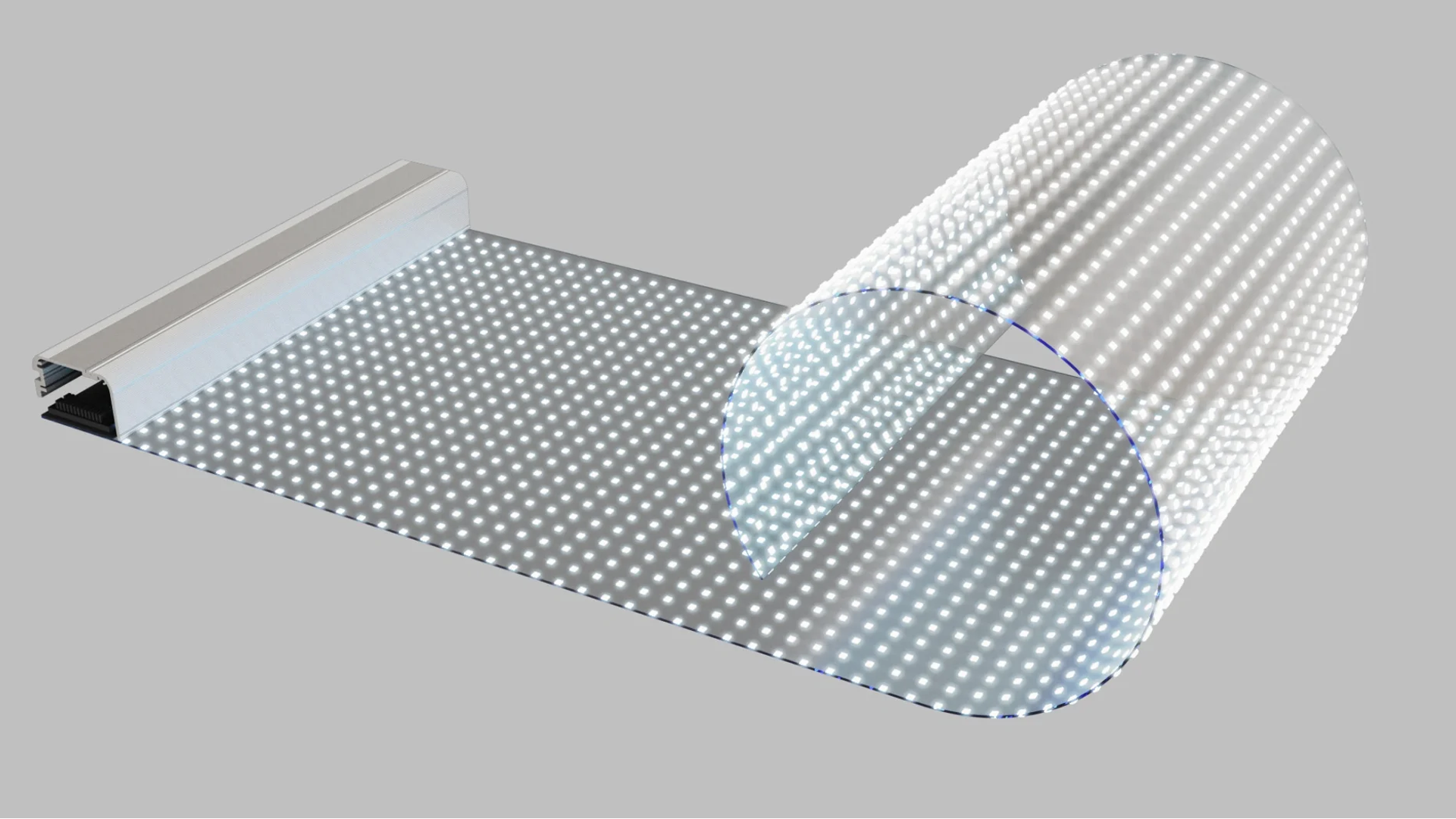
Flexible LED displays rely on several key components including lightweight substrates, bendable LEDs, and sophisticated circuitry working together so the screen can flex while still looking great. Most of these substrates come from something called polyimide material which stands out because it's both tough and pliable enough to let screens take on all sorts of shapes without breaking down over time. When manufacturers include energy saving LED tech in these displays, they cut down on electricity usage significantly while at the same time boosting how bright the images appear and improving colors across the board. This makes them perfect for places where lights need to change constantly or display moving content effectively.
How Flexibility Expands Design Possibilities
Flexible LED displays give designers freedom to move away from standard rectangles and experiment with all sorts of weird shapes and layouts. We've seen architects stick them on curved building facades while artists have wrapped entire rooms in glowing surfaces for immersive exhibits. Marketing folks love this stuff too, bending screens around product displays or even creating interactive window signs that change based on pedestrian traffic patterns. The possibilities really open up when it comes to making installations that people can interact with directly, which is changing how we experience everything from city streets to shopping malls in ways most people probably haven't even noticed yet.
Transparent LED Film Screen Innovations
We're seeing some pretty exciting developments lately with transparent LED films that let screens blend right into their surroundings without sacrificing color quality or clarity. Think about those fancy window displays where customers can see through both sides but still get an amazing visual experience. Stores are starting to install these screens everywhere now because they look great and actually work well too. They double as advertising spaces during the day and become regular windows at night when not in use, which makes them super versatile for businesses looking to maximize space without compromising on aesthetics.
Creative Applications in Unusual Spaces
Curved Walls & Architectural Integration
Flexible LED displays can bend around all sorts of walls and odd angles, opening up some really cool architectural options nobody thought possible before. When architects start working with these displays, they're able to build spaces that feel alive and totally wrap around viewers. Think about museums where entire rooms glow with moving images or buildings that change appearance at night. The tech works wonders for galleries too, turning blank walls into interactive canvases. Most designers see this as a game changer because it does double duty - making spaces look amazing while still getting the job done functionally. And let's face it, businesses love how these installations stick in people's minds long after they leave.
360-Degree Cylindrical Displays
360 degree cylindrical LED displays are changing how we think about advertising and exhibitions by wrapping viewers completely in dynamic visuals. They work really well for creating those wow factor moments across different spaces like concert halls, convention centers, and even outside shopping malls where people pass through. The tech itself has come a long way too. Manufacturers have improved resolution so images look sharp no matter where someone stands around the display. Brands love this because it lets them connect with customers differently than traditional billboards ever could. For instance, car companies now showcase vehicles inside these circular screens at auto shows, letting attendees walk around while watching the car rotate with special effects lighting.
Transparent LED Displays for Retail Windows
Stores are changing how they look from the street these days with those see-through LED screens that let them show off products in a really eye-catching way. The displays grab people walking by because they flash marketing info right there on the window without blocking what's actually inside the shop. What makes these screens work so well is that customers can still see into the store while getting hit with brand messages at the same time. Some retailers report seeing a real boost in customers coming through the door after installing these displays, which explains why more shops are jumping on this trend. For anyone who wants to stand out in crowded shopping areas, these transparent screens seem to be becoming must-have tools for modern retail.
LED Film Screens in Compact Environments
Flexible LED film screens work really well in tight spaces where there isn't much room to spare, yet still deliver great picture quality. Take a small coffee shop or temporary store setup for instance these places can benefit from putting up these screens anywhere they want without needing extra square footage. For business owners looking to stand out in cramped retail settings, these displays open up all sorts of possibilities. They let stores show off products, run promotions, or just create eye catching visuals that grab attention and leave a lasting impression on walk by customers.
Advantages Over Traditional Displays
Adaptability to Irregular Surfaces
Flexible LED displays bring something special to the table, particularly how they wrap around all sorts of weird shapes. Traditional flat screens just don't cut it anymore when dealing with curved walls or odd building features. These new displays bend and twist to match whatever surface they're placed on, which means they work great everywhere from old buildings being restored to those fancy pop-up events with unusual spaces. The construction world loves them for retrofitting historic sites without damaging original architecture. Artists also find them incredibly useful for installations that need to blend seamlessly into existing environments. Marketers are catching on too, creating eye-catching displays in spots where regular screens would look out of place or simply not fit at all.
Lightweight & Seamless Visual Impact
Flexible LED displays have one major advantage that stands out from other options – they're really light weight. This means installers don't need to reinforce buildings as much when putting them up somewhere new. The displays can go pretty much anywhere without requiring major changes to whatever space they're being placed in. When these screens are actually mounted, they look super smooth and professional, something that really grabs people's attention at first glance. Some studies show that this kind of clean visual presentation actually helps viewers connect emotionally with what's on screen. Take trade shows for instance, boardrooms, even stores selling products. The fact that these displays aren't heavy and blend right into whatever environment makes them look way better than bulkier alternatives would.
Durability in Challenging Environments
Flexible LED displays are built tough enough to handle pretty much anything thrown at them, which makes them great choices for tough spots where regular screens would fail fast. Think about those harsh outdoor locations with rain, snow, wind whatever Mother Nature decides to send their way. The way these displays are made means they break down way less often than standard options, so companies save money on fixing things or replacing entire units down the road. According to some research floating around the industry, these modern displays tend to last longer and work better than older screen technology most of the time. What this really boils down to is getting something that just works reliably day after day, no matter if it's sitting inside an office or hanging out in some brutal weather conditions outside.
Overall, the advantages of flexible LED displays, from adaptability and lightweight construction to enduring durability, make them an ideal choice for both creative and strategic applications in modern settings. They enable innovative design possibilities that traditional displays simply cannot achieve.
Integrating Flexible LED Solutions
Customization for Unique Layouts
Flexible LED options give companies the freedom to create bespoke lighting arrangements suited to their particular needs and surroundings. Custom made setups work wonders across different locations from shop fronts and showrooms right through to trade shows and temporary displays. Looking at real world applications, these made-to-measure installations do more than simply look good they actually transform how customers interact with brands. Retailers find that properly designed lighting makes products stand out better while also guiding shoppers naturally through store layouts. What's more important is that these specialized configurations help reinforce corporate branding by ensuring promotional messages get seen exactly where needed without getting lost in generic backdrops.
Combining LED Transparent Screens with Architecture
When architects start using LED transparent screens in building designs, they're essentially merging cutting edge tech with traditional aesthetics in ways we haven't seen before. These screens let designers create amazing exterior walls that can change appearance throughout the day, set up interactive displays for passersby, and actually improve how natural light moves through a space while still showing digital content. Many architects have jumped on this trend lately, adding these see-through LED panels to everything from shopping centers to transportation hubs. The result? Public areas that grab people's interest visually and make entire environments feel more modern and engaging because of those constantly changing visuals and lighting effects displayed right there on building surfaces.
Interactive Features for Immersive Experiences
Flexible LED screens with interactive capabilities are turning passive watching into something much more engaging for consumers. These displays incorporate touch screens, AR elements, and content that reacts to what people do, allowing companies to create experiences that stick in customers' minds long after they leave. Retailers have seen real results from this approach, with many reporting better engagement rates when shoppers get to interact directly with products or information. As people increasingly expect to be part of the action rather than just observers, brands that adopt these interactive technologies tend to build stronger relationships with their audience over time. After all, who doesn't remember walking away from an experience where they actually got to play a role?
Future Trends in Display Innovation
Thinner Profiles & Higher Transparency
The world of display tech keeps changing fast these days. We're seeing all sorts of new developments that make screens lighter, thinner, and way more transparent than before. Flexible LED displays are getting a real boost from these improvements. They look amazing when installed because they can fit right into different surroundings without standing out too much. People seem to love this kind of design according to recent market surveys showing that around 68% of buyers prefer gadgets that have clean lines and modern looks. With so many customers wanting these sleek options, companies are pushing themselves harder than ever to come up with better solutions. Most manufacturers now focus on creating ultra-thin panels while maintaining high levels of clarity, which means we'll probably see even more impressive innovations in the coming years.
AI-Driven Dynamic Content Adaptation
Artificial intelligence is changing how flexible LED displays work, putting them right in the middle of content that can adapt on the fly. When these screens connect with AI, they actually change what they show while people watch, responding to interactions and available data. The result? Personalized experiences that really grab attention from viewers. For companies trying to stand out, this means they can create special moments with customers that make their messages matter more, which leads to better engagement overall. Marketing experts think we'll see these smart displays become a standard part of business plans soon enough. Retail stores already test them out by showing different products depending on who walks by, using basic behavior tracking to decide what looks best for each passerby.
Sustainability in Flexible Screen Production
With growing awareness about environmental issues, companies making flexible screens have started putting green considerations at the forefront. Many manufacturers are switching to biodegradable materials and streamlining their production methods to cut down on waste and energy consumption. The move toward greener practices isn't just good PR either it makes business sense too, especially as governments around the world draft stricter environmental regulations for electronics manufacturing. Flexible LED display makers in particular are leading the charge, developing products that maintain high performance while reducing carbon footprints. Some firms even claim their latest models use 30% less power than traditional alternatives, showing how technological advancement can actually work hand in hand with planetary health concerns.