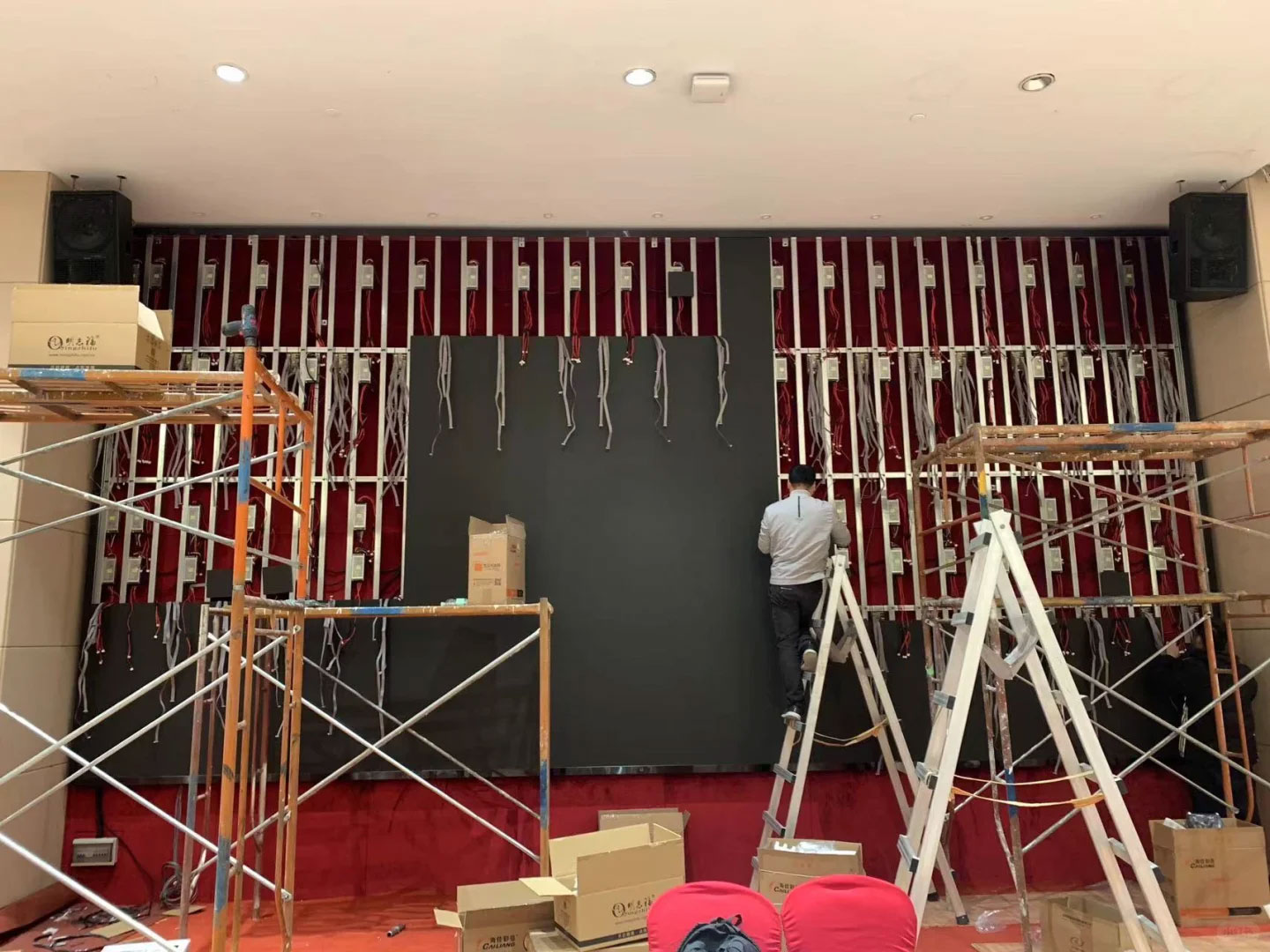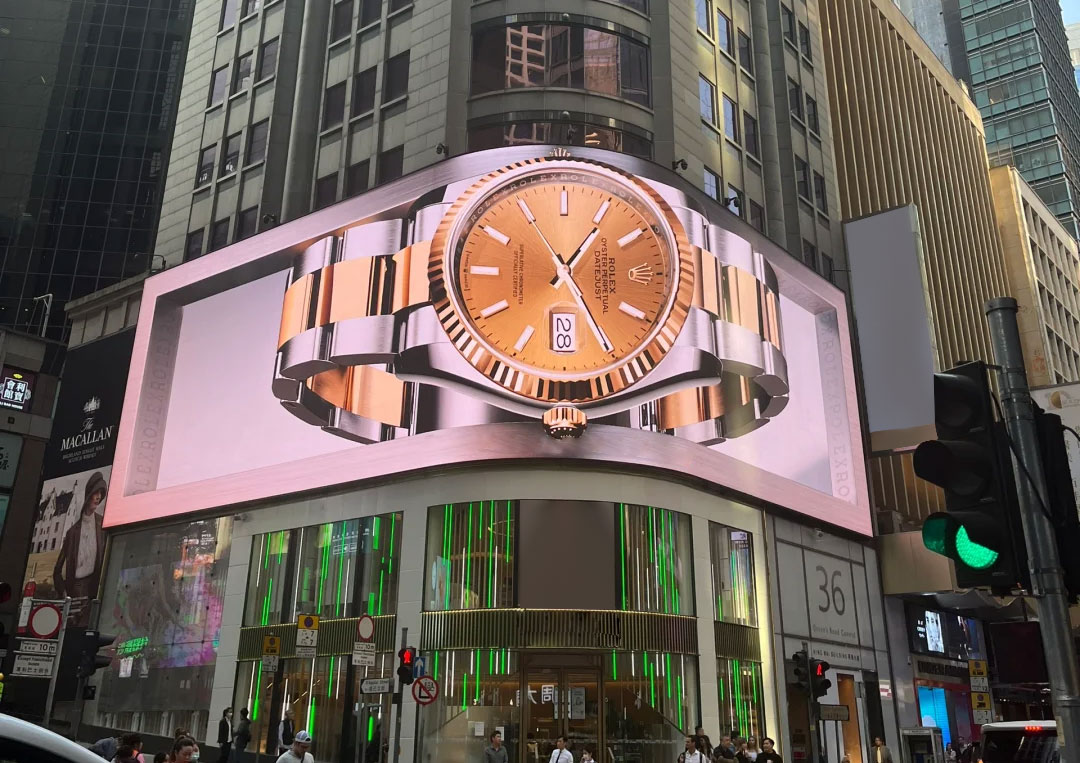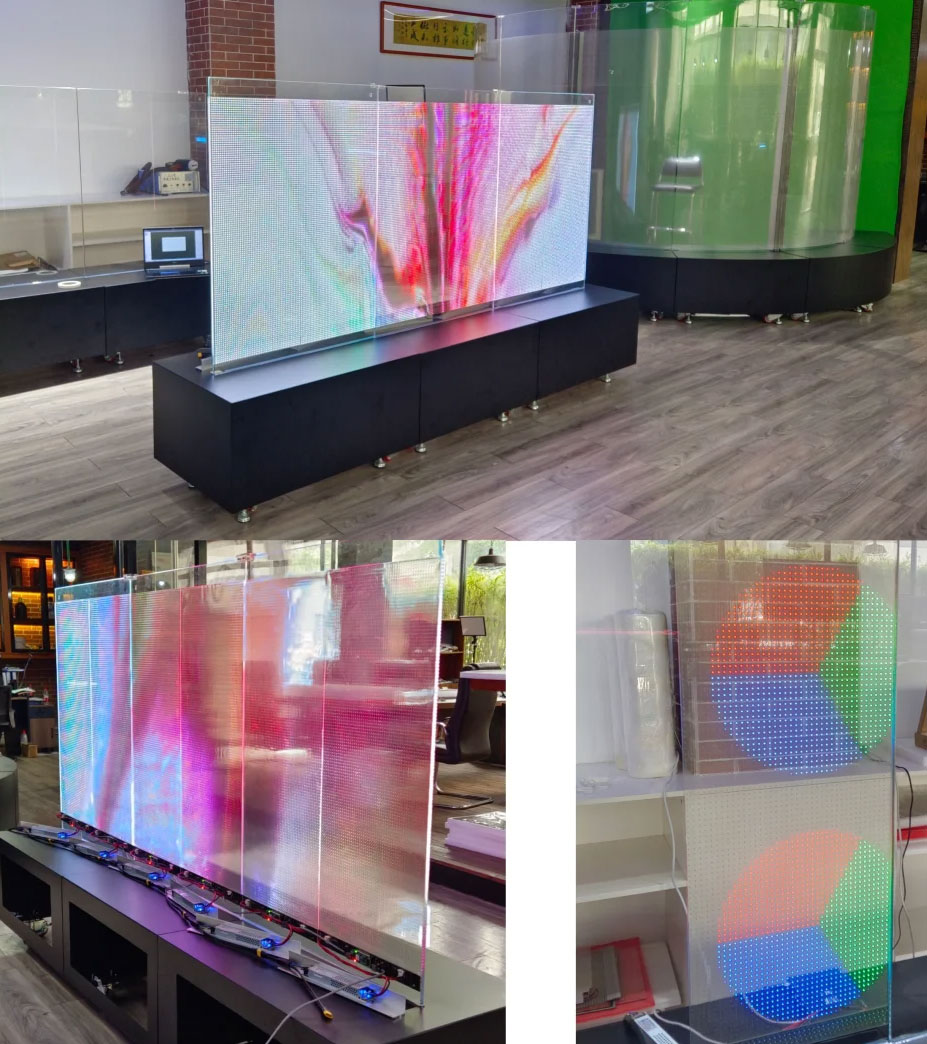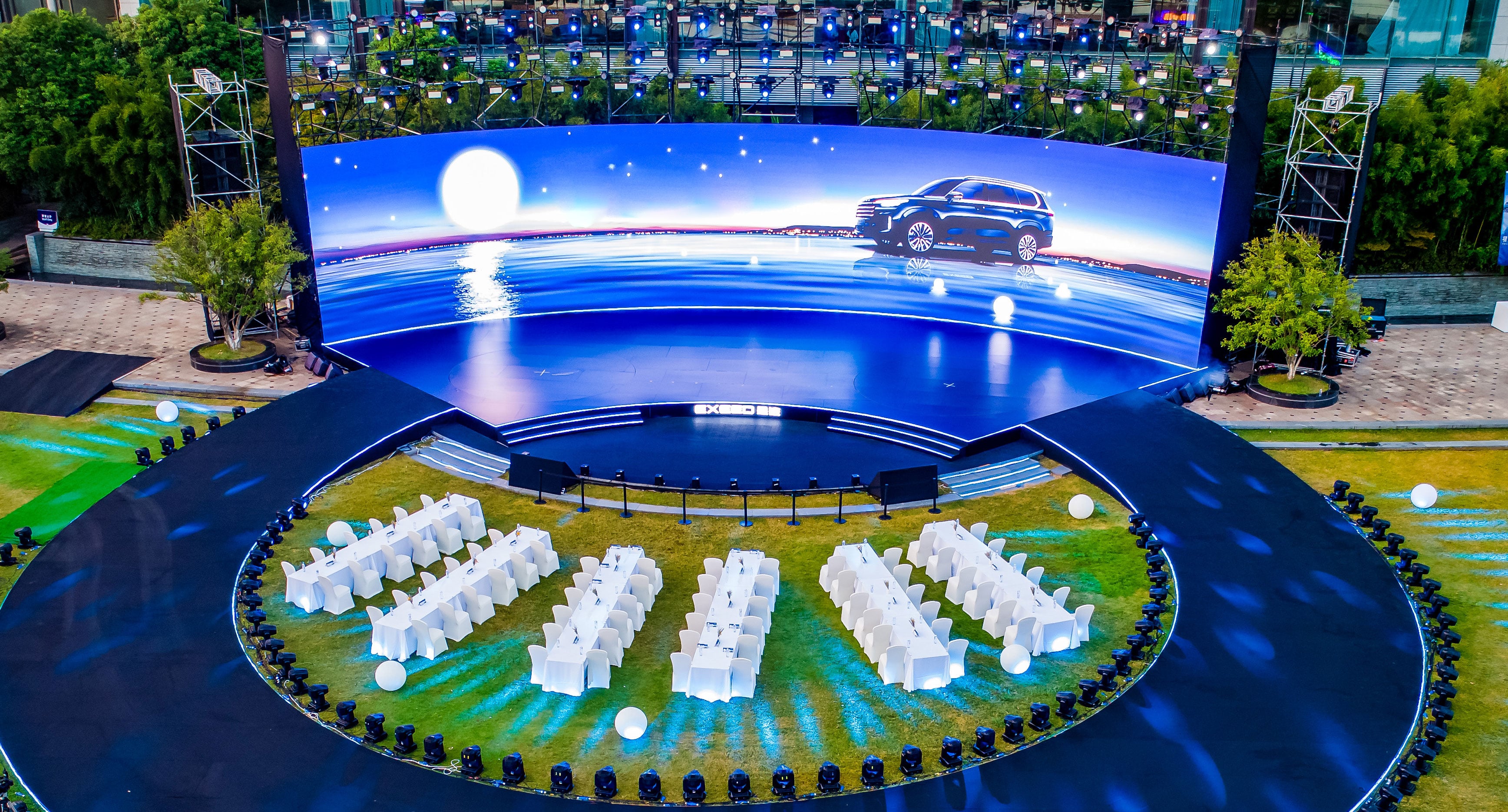
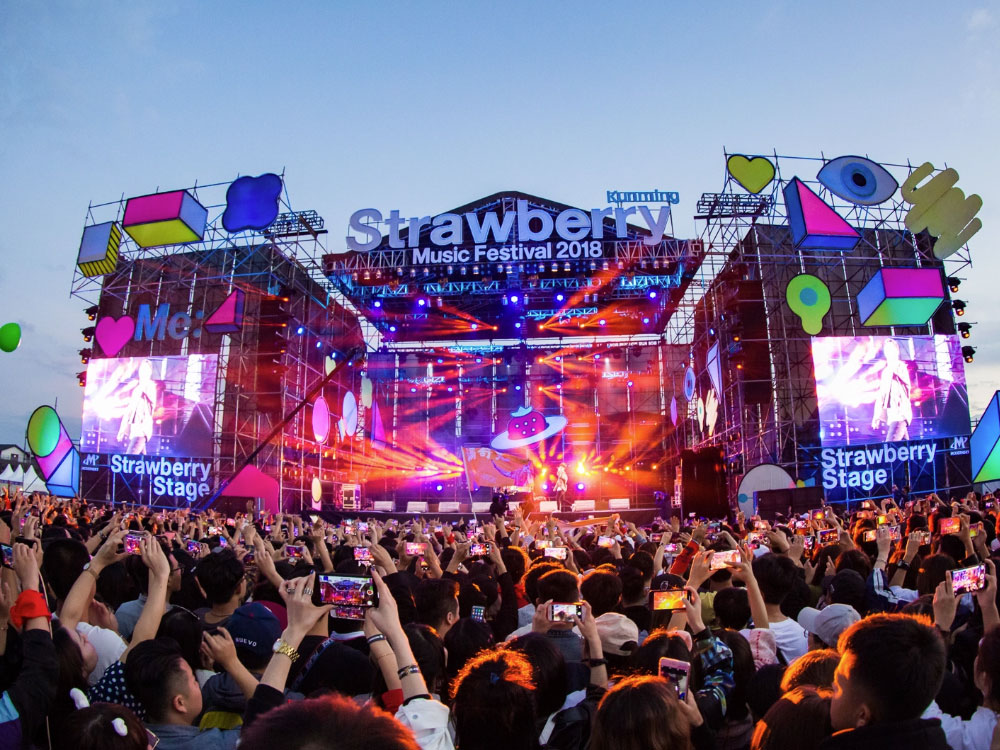
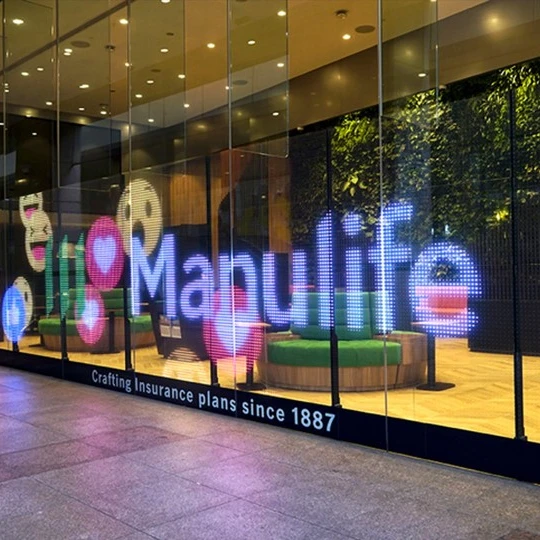
Knowing how to choose led screen involves evaluating key factors such as application environment (indoor vs. outdoor), resolution requirements, brightness levels, pixel pitch, and durability, to ensure the display meets specific usage needs and delivers optimal performance. For indoor use, lower brightness and finer pixel pitch (like 1.2mm to 2.5mm) are ideal for close viewing, while outdoor screens require higher brightness (over 5000 nits) and weather resistance to combat sunlight and harsh conditions. Sunrise, a professional LED display manufacturer with extensive experience in global markets, recommends considering certification compliance (such as ISO 9001, FCC, CE) when learning how to choose led screen, as these ensure quality and safety for international deployment. Pixel pitch is another critical aspect when figuring out how to choose led screen: smaller pitches (closer pixel spacing) deliver higher resolution, suitable for detailed content, while larger pitches are cost-effective for long-distance viewing. Additionally, assessing the screen’s energy efficiency and backup systems, like Sunrise’s dual backup technology for power supplies and receiving cards, is vital to minimize downtime. Durability testing, including vibration and waterproof tests, should also be part of how to choose led screen, especially for industrial or outdoor applications. By aligning these factors with intended use—whether for stage performances, advertising, or corporate displays—buyers can select a led screen that balances performance, cost, and longevity, ensuring they invest in a solution that meets their specific needs and stands the test of time.