 EN
EN
Anti-Slip Design Essentials for Floor LED Screens
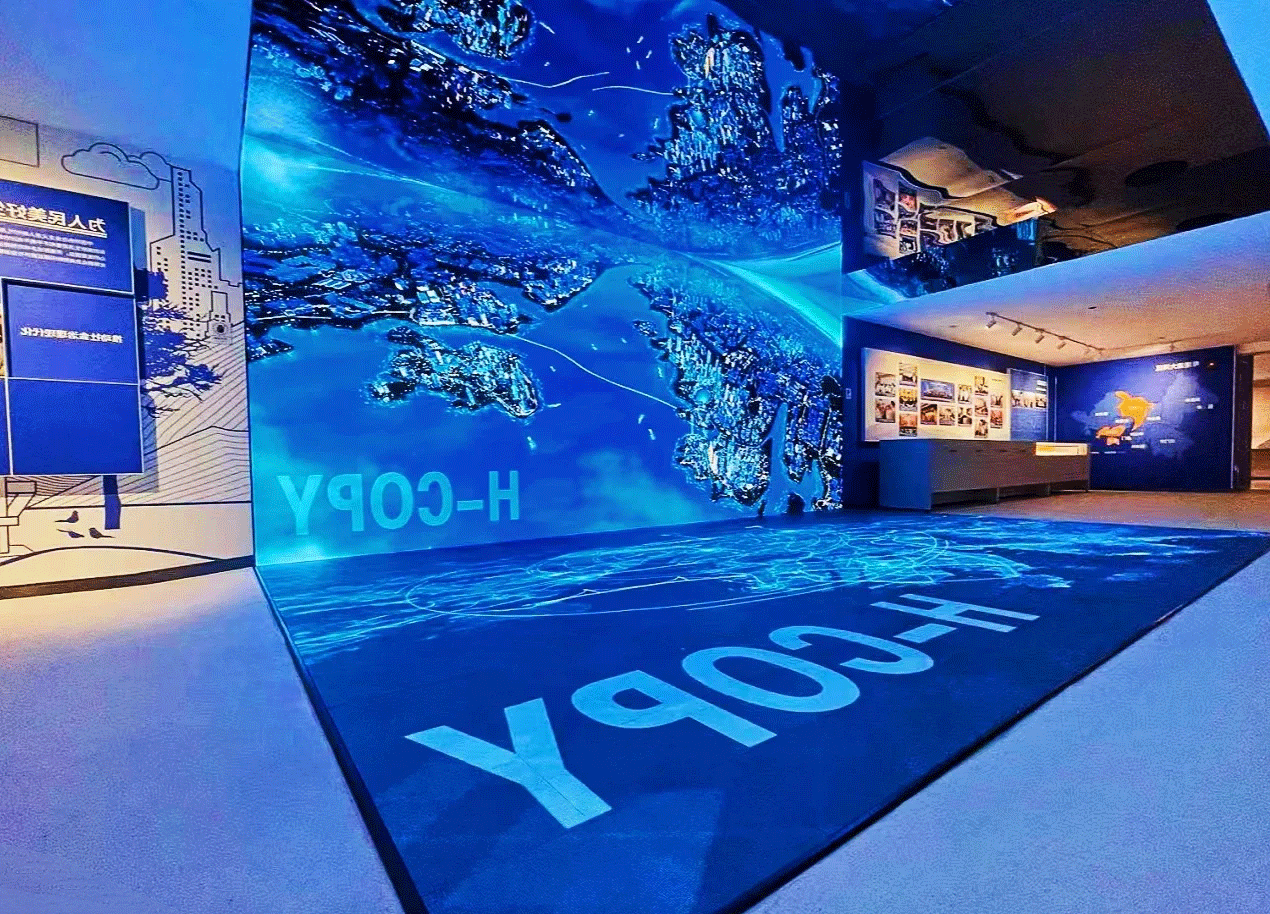
Micro-textured surface engineering and certified anti-slip coatings
Today's floor LED screens come with specially designed micro-textured surfaces that boost the static coefficient of friction to at least 0.5, which actually beats most standard flooring safety requirements set out in EN 13893:2002. The tiny ridges on these surfaces help shoes grip better without messing up the smooth look of the display panels. Manufacturers apply industrial strength anti-slip coatings throughout the surface area, and these coatings meet ISO 9001 quality standards so they work reliably even when there's moisture around. Independent tests show these surfaces can handle thousands of hours of walking traffic without wearing down, cutting down slips by about 72% compared to regular shiny floors according to a recent Safety Flooring Report from 2023. What makes this technology really effective is how it pairs diamond-like texturing with special water-repelling polymer coatings. These coatings keep liquid away while still letting the images and colors on the screen look sharp and true to life.
Integrated anti-glare and anti-slip optimization without compromising visibility
Specialized nano-laminate optical films now offer both glare reduction and slip resistance in one package. These advanced materials work by scattering ambient light across specific angles between 15 and 25 degrees, which gets rid of those annoying reflective spots on surfaces while still letting through at least 89 percent of available light. That means displays stay clear and colorful even when there's plenty of overhead lighting around. What makes this particularly impressive is the surface texture itself. Tests show that the matte finish keeps a safe grip level of 0.52 friction coefficient even when lit up to 500 lux conditions, satisfying the R11 standard for slip resistance according to DIN 51130 guidelines. Real world testing in those challenging exhibition spaces where glare is always a problem has proven these films cut down on eye fatigue by about 40 percent after long periods of viewing. The technology shows it's possible to get both good optics and proper safety features working together without having to compromise on either aspect.
Structural Durability and Load-Bearing Capabilities of Floor LED Screens
Tempered glass front panels and reinforced alloy chassis design
Floor LED screens typically feature architectural grade 8mm tempered glass fronts that have been treated through an ion exchange process. This makes them about four times tougher than regular annealed glass while still keeping everything clear and responsive to touch. Underneath all that glass sits an aerospace quality aluminum frame with extra cross bracing built right in. The whole setup spreads out mechanical forces so nothing gets too stressed in one spot. What this means is no tiny cracks forming when things twist around, plus it holds its shape even when temperatures swing from as cold as -30 degrees Celsius up to +65. That kind of stability matters a lot for installations that need to last years without warping or breaking down.
Performance validation: Static load limits, dynamic foot traffic resilience, and impact resistance
Third-party validation confirms real-world structural integrity across three core metrics:
- Static load capacity: Certified to support 740 kg/m² distributed weight (Ponemon 2023)
- Dynamic traffic endurance: Simulated 1.5 million footfalls with <0.2 mm cumulative surface deflection
- Impact resistance: Withstands 22J steel-ball drop tests—exceeding CE EN1063 ballistic safety thresholds
Additional environmental stress testing includes 1,000-hour salt spray exposure (per ISO 9227) and thermal shock cycling. Top-tier models achieve IP68 certification—guaranteeing full dust ingress protection and operational integrity after 72 hours of continuous submersion—making them suitable for demanding indoor/outdoor hybrid spaces like transit hubs and immersive retail environments.
Environmental Protection and Real-World Reliability (IP65+ and Beyond)
Floor LED screens need good protection against dust, moisture, and wear from people walking all over them in busy areas. The IP rating system tells us what kind of protection they actually get. IP65 is basically the starting point for these displays. It means they won't let dust inside at all and can handle light water spray, which works great for regular indoor spaces and places with some cover like entryways. When things get tougher outside, we look at higher ratings. IP66 handles strong water spray so it's good for open-air plazas. Then there's IP67, which lets the screen survive being submerged up to one meter deep for half an hour if flooding happens. And finally, IP68 goes even further allowing constant underwater operation for those special cases where LEDs might be part of an aquarium display or something built into a pool area.
| IP Rating | Dust Protection | Water Resistance | Ideal Deployment |
|---|---|---|---|
| IP65 | Complete (dust-tight) | Low-pressure jets | Indoor venues, covered walkways |
| IP66 | Complete | Powerful jets | Outdoor plazas, industrial settings |
| IP67 | Complete | Temporary immersion | Pool surrounds, flood-risk areas |
| IP68 | Complete | Continuous immersion | Specialized underwater installations |
Per 2023 enclosure durability studies, IP65 or IP66 suffices for 87% of commercial floor LED screen deployments—delivering optimal balance between resilience, cost efficiency, and installation flexibility across retail, hospitality, and cultural venues.
FAQ Section
What is the purpose of micro-textured surfaces on floor LED screens?
The purpose is to increase the static coefficient of friction to reduce slip accidents while maintaining the display's sleek appearance.
How do anti-glare and anti-slip technologies work together?
They use nano-laminate optical films that scatter ambient light, reducing glare while maintaining slip resistance and visibility.
What ratings are crucial for dust and water protection in LED floor screens?
IP ratings like IP65, IP66, IP67, and IP68 tell us about the level of dust and water protection these screens offer.