
 EN
EN
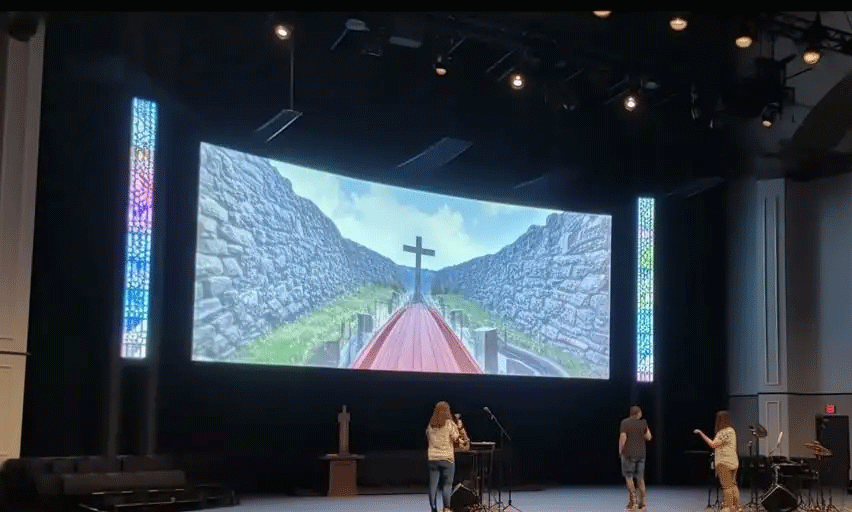
Why Remote Content Control Is Essential for Modern Church LED Walls
Real-Time Synchronization Across Worship Services and Multisite Campuses
Worship settings today need smooth content management across different locations and service times. With remote control systems in place, there's no longer a need to manually transfer files between sites. Church staff can now update sermon slides, hymn texts, and event notices instantly through one central interface. For churches operating multiple campuses, this makes all the difference. Studies show around 8 out of 10 multisite churches see better engagement when visuals stay consistent throughout their locations. The real-time syncing works wonders for hybrid services too. Remote tech teams can send live stream components to sanctuary screens while keeping everything running smoothly on stage. What's even better? Setup takes about 40% less time than old fashioned methods. This saves hours for volunteer tech crews who can then focus on more meaningful ministry work instead of wrestling with equipment.
Minimizing Technical Interruptions During Live Worship and Announcements
When technical problems pop up during church services, they create unnecessary distractions that pull people out of their spiritual experience. With browser based remote systems now available, volunteers can fix issues like frozen screens or tweak lighting settings right from their phones or tablets instead of having to run back stage every time something goes wrong. According to recent surveys among worship tech professionals, these tools stop around two thirds of those annoying mid service interruptions. The church has also implemented schedule aware automation features that cut down on mistakes made by humans. For instance, announcements and sermon slides appear automatically at exactly the right moments without anyone needing to manually trigger them. We've set up role based access controls so only certain staff members can mess with important functions, plus we have backup modes that keep showing basic content even if the internet cuts out completely. All this means smoother worship experiences overall, with technology working behind the scenes rather than constantly getting in the way of genuine spiritual connection.
Top Church LED Walls with Built-In Remote Control Capabilities
Choosing the right church LED walls demands robust remote content management to support dynamic worship environments. Solutions excelling in this area offer specialized interfaces and scheduling tools that streamline operations for technical teams.
Cloud-Managed CMS Designed for Church Operations
This solution utilizes a cloud-based Content Management System (CMS) for centralized control. Churches can upload, schedule, and push content to multisite displays from any web browser. Features include playlist automation for recurring services and drag-and-drop zoning for announcements. Firmware optimized for sermon workflows minimizes setup time for volunteers.
Wireless, Schedule-Aware Control for Church LED Walls
Combining projection with wireless presentation, this system enables screen sharing from personal devices using secure physical tokens. Integrated scheduling synchronizes lyrics, videos, and stage backgrounds with service timelines. Its cable-free design reduces clutter near altars and offers one-touch switching via pre-programmed presets.
Low-Latency Remote Management via Church-Optimized Firmware
Prioritizing real-time reliability, this package uses proprietary protocols to ensure sub-200ms response times for remote adjustments. The controller supports offline backup modes via local servers and includes ministry-specific security templates like moderator-approval queues for guest content. Role-based permissions allow restricted access for stage volunteers.
Critical Evaluation Criteria for Church LED Walls Remote Control Systems
Browser-Based vs. Native Mobile App: Usability and Reliability for Volunteer Operators
Churches looking at remote control options for their LED walls need to decide between browser access and native mobile apps when it comes to managing volunteer teams. Web browsers are easy to learn since anyone can use them on whatever device is handy, but what happens when the internet goes down? That's where native apps shine with their ability to work offline and send those important push alerts about last minute changes to Sunday services. Of course, keeping these apps updated across different operating systems does take some extra effort. Non tech savvy volunteers often find app interfaces much simpler because everything is right there at their fingertips with specific buttons for displaying hymns or switching between sermon slides. According to a recent survey from the House of Worship Technology Association back in 2023, around four out of five volunteers actually preferred using dedicated apps rather than browser dashboards during live events.
Security, Offline Fallback, and Role-Based Access for Multi-Staff Church Teams
Church teams handling sensitive information such as baptism records or donor communications absolutely need strong security measures and backup systems. When shopping around, check if the platform uses AES-256 encryption for sending data and requires two-factor verification for admin logins. Offline functionality is just as important too. Systems that can store at least 48 hours worth of music playlists when internet goes down save a lot of headaches during unexpected outages. The permission controls matter greatly as well. Good platforms let churches set different access levels so volunteers can control announcements without seeing confidential financial documents that only pastors need access to. These permissions help avoid mix ups when multiple campuses share the same system.
Future-Proofing Your Church LED Walls: Emerging Remote Control Trends
Churches wanting their LED walls to stay up to date should look at systems featuring AI content optimization first. The good news is these smart platforms handle brightness and contrast adjustments automatically depending on how bright it gets inside during services, so there's no need for someone to constantly tweak settings manually. Many newer installations now come with gesture control options too. Pastors and other staff members can simply wave their hands or make specific movements to switch between different visuals or messages, something that really helps out when volunteers are running things behind the scenes. For those concerned about environmental impact, solar compatible power systems are becoming increasingly common. Some models actually cut down electricity usage by around 40 percent compared to traditional setups. Another important consideration is whether the system uses modular components. This design approach makes upgrading possible without tearing everything apart later on, especially handy if churches want to move from standard resolution displays to something much sharper like the latest 0.9mm pixel pitch technology available today.
FAQ
What are the benefits of remote content control for church LED walls?
Remote content control allows for real-time synchronization, minimizing technical interruptions, and efficient management of multisite church operations, which enhances audience engagement and worship flow.
How does a cloud-managed CMS benefit church operations?
A cloud-managed CMS offers centralized control for content management, including uploading, scheduling, and pushing content to multiple displays. It simplifies operations with features like playlist automation and drag-and-drop zoning.
Are there security measures for sensitive church operations data?
Yes, it's important to choose a platform with strong security measures such as AES-256 encryption and two-factor verification. Additionally, role-based access controls help manage permissions for staff members handling sensitive information.