 EN
EN
Why Spherical LED Displays Elevate Exhibition Hall Creative Shows
Immersive 360° Engagement and Thematic Resonance (e.g., Astronomy, Climate, Origins)
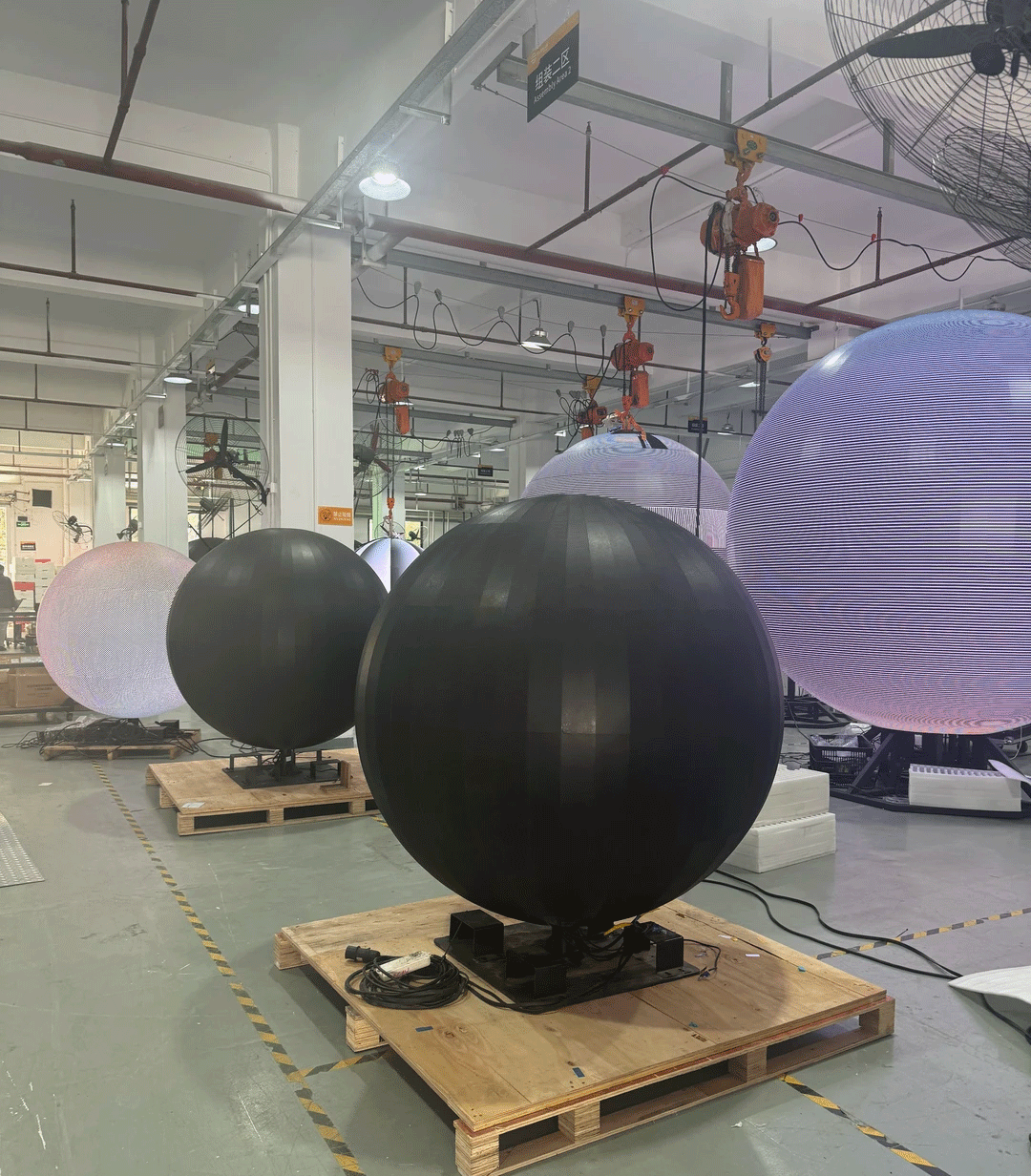
Spherical LED displays turn regular exhibitions into fully immersive 3D spaces great for topics such as space exploration, environmental changes, or how life began on Earth. These round screens have no corners or edges so there are no interruptions in what people see, allowing stories to unfold smoothly around visitors and making complicated ideas easier to grasp visually. Many museums now install these displays to show things like how planets move around stars, weather patterns across our atmosphere, or how species evolved over millions of years. Studies indicate that when visitors experience information through multiple senses in an enclosed space, they remember about 40 percent more than just reading text or looking at standard exhibits. The way these displays work follows how humans naturally look around and move through space, which means people can explore content intuitively without getting overwhelmed by too much information at once. This approach supports teaching methods today while also opening up new possibilities for artistic presentations.
Differentiation from Flat Screens: Spatial Storytelling and Visitor Dwell Time Impact
The spherical LED display changes how stories are told because it allows for actual spatial storytelling something that regular flat screens simply cannot do. The shape of these displays encourages people to get involved actively. Visitors tend to walk around them, look up and down, finding different meanings depending on where they stand. According to some observations at places like the Exploratorium and Science Centre Singapore, folks spend about 30% longer looking at these displays than traditional ones. Regular flat screens limit the story to one viewpoint only. Spherical displays make use of all available space in the room which means they can show complex animations across multiple axes for things like space shows or live environmental data. This difference isn't just about looking good either. It actually leads to better results for institutions using them including more people coming back again, stronger connections with brands, and audiences remembering what they saw much longer.
Key Selection Criteria for Exhibition-Grade Spherical LED Displays
Pixel Pitch, Curvature Tolerance, and Viewing Distance Optimization
The right pixel pitch depends on how close viewers will stand and the size of the sphere itself rather than picking something generic off the shelf. When people are really close in (less than three meters away), anything below 2.5mm makes text readable without strain. Bigger installations over four meters wide can get away with 3 to 4mm spacing as long as folks aren't standing too near. What matters most is keeping those curved surfaces consistent throughout. If panels warp more than 1 to 3 millimeters anywhere on the surface, viewers start noticing distortions around the top and bottom edges. The sweet spot for watching these displays tends to be somewhere between one and a half times to three times the width of the sphere horizontally. This gives good detail without making eyes work too hard. Getting all these numbers right ensures everything looks sharp and properly aligned when displayed at trade shows or public exhibitions where quality matters most.
Brightness, Color Uniformity, and Seamless Seam Management for Professional Shows
The display needs to be bright enough to stand out against regular lighting but not so intense it causes eye strain. Most indoor exhibition spaces work well with brightness levels between 1800 and 2200 nits. This range beats the standard 300 to 500 lux found in typical venues while still being comfortable for viewers. For color consistency, manufacturers need to sort their LED components carefully. The goal is keeping color differences below Delta E 3 across all colors, plus maintaining brightness stability within about 5% variance when viewed from angles up to 170 degrees horizontally and 120 vertically. Getting rid of visible seams takes both extremely precise physical installation down to fractions of a millimeter and smart software tricks. Special pixel mapping algorithms built into the system firmware help hide those panel edges where they meet. All these technical requirements combine to create a seamless experience, making the entire spherical display appear as one continuous surface instead of separate panels, allowing artists and designers to focus purely on their creative vision without worrying about distracting technical limitations.
Spherical LED Display Integration: Content, Hardware, and Space
Media Server Compatibility and Real-Time Spherical Content Mapping Workflows
For spherical LED displays, we need media servers built specifically for volumetric output instead of trying to make flat screen tech work for this purpose. When dealing with these curved surfaces, especially around the top and bottom areas, there's always some optical distortion issues that pop up. Standard methods of projecting 2D images onto spheres tend to stretch or squish visuals in those trouble spots. The better systems out there actually apply about 20 to maybe even 30 percent geometric correction using powerful GPUs, which helps maintain accurate perspectives throughout the entire 170 degree viewing angle horizontally speaking. Most professionals rely on established platforms such as disguise, Watchout, and Pandoras Box because they come with built-in spherical support features. These include things like automatic UV unwrapping, dynamic warping settings, and synchronization across multiple spheres at once. Having all this compatibility means producers can update shows live during events, trigger layered content elements, and smoothly transition between different themed sequences. This capability is pretty much required nowadays for creating truly engaging, high quality immersive experiences that respond dynamically to audience reactions.
Mounting, Structural Support, and Interactive Add-Ons (Sensors, AR Sync)
Putting together a spherical LED display requires some serious structural thinking. These things get heavy fast - a 3 meter diameter model can tip the scales at over 500 kilograms. That's why most installations need specially made aluminum alloy frames to keep all those panels aligned within about plus or minus 3 millimeters even when temperature changes happen or there's mechanical stress on the system. Cooling is absolutely essential here. Most setups use either two fans running at once or sometimes liquid assisted cooling systems. Why? Because if the inside gets hotter than 45 degrees Celsius during long operations, colors start shifting and LEDs degrade faster than anyone wants. To make them interactive, many installations incorporate infrared sensors or depth sensing tech that lets people control what they see through simple gestures. Augmented reality works too, connecting through smartphone apps or web browsers to project extra information, notes, or animations right onto the surface of the sphere as it happens. Studies show that when these interactive elements are properly integrated, visitors tend to spend around 40 percent more time looking at displays compared to regular static ones. What this means in practice is turning something people just watch into an experience they actually participate in.
FAQ
1. What makes spherical LED displays suitable for exhibitions?
Spherical LED displays create immersive 3D spaces that allow for uninterrupted storytelling, making complex ideas more visually accessible. They enhance engagement and retention by catering to natural human perception of space.
2. How do spherical displays differ from flat screens?
Unlike flat screens, spherical displays offer spatial storytelling that lets visitors explore content from various angles, leading to longer engagement times and better retention of information.
3. What are key factors to consider when choosing a spherical LED display?
Important factors include pixel pitch, curvature consistency, viewing distance, brightness, color uniformity, and seamless seam management to ensure a high-quality, immersive experience.
4. How is content managed for spherical displays?
Content for spherical displays requires media servers and software optimized for spherical surfaces to prevent distortion. These systems allow for dynamic content mapping and real-time updates.
5. What structural considerations are involved in setting up these displays?
Structures must support substantial weight and maintain alignment under varying conditions. Cooling systems prevent overheating, and interactive elements like sensors add engagement to the experience.
Table of Contents
- Why Spherical LED Displays Elevate Exhibition Hall Creative Shows
- Key Selection Criteria for Exhibition-Grade Spherical LED Displays
- Spherical LED Display Integration: Content, Hardware, and Space
-
FAQ
- 1. What makes spherical LED displays suitable for exhibitions?
- 2. How do spherical displays differ from flat screens?
- 3. What are key factors to consider when choosing a spherical LED display?
- 4. How is content managed for spherical displays?
- 5. What structural considerations are involved in setting up these displays?