 EN
EN
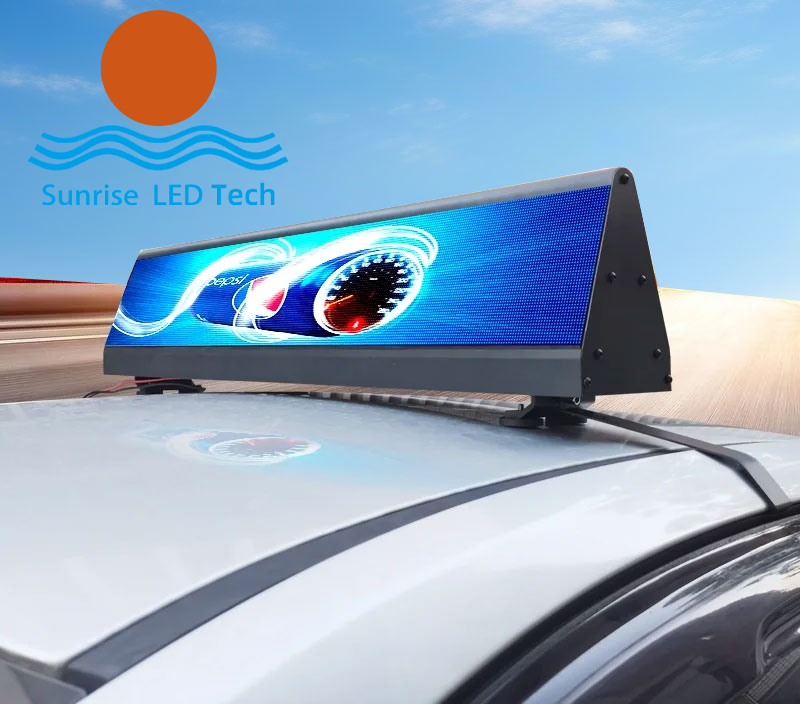
Unmatched Visibility and Urban Reach with Taxi Top LED Displays
Taxi top LED displays offer 24/7 visibility that surpasses traditional billboards, especially during high-impact periods. A 2023 urban mobility study found these mobile ads achieve 18% higher engagement rates during evening commutes (6–8 PM) than stationary signage, leveraging rush-hour traffic and nighttime foot traffic.
Superior Visibility During Peak Traffic and Nighttime Hours
With 8,000–10,000 nits brightness—three times brighter than smartphone screens—taxi displays cut through urban light pollution. This intensity supports 93% message retention in crowded environments, according to a 2024 transit advertising report.
Continuous Exposure Across High-Footfall Urban Zones Through Vehicle Mobility
Taxis travel 200–300 daily miles in metro areas, dynamically covering:
- Business districts (7–10 AM / 5–8 PM)
- Entertainment hubs (8 PM–1 AM)
- Transit centers (all hours)
This mobility delivers 3.2x more impressions per dollar than fixed billboards, based on Out of Home (OOH) advertising benchmarks.
High Brightness and Resolution Ensuring Clear Messaging in Dynamic Environments
Advanced 2560Ã1440 resolution panels maintain clarity even at 35 mph. Advertisers using high-motion content report 41% longer viewer attention spans compared to static ads (Digital Signage Federation 2023).
Case Study: Measurable Increase in Brand Recall From NYC Taxi Display Campaigns
A beverage company’s 6-month Manhattan campaign using GPS-triggered taxi ads achieved:
| Metric | Result | Industry Average |
|---|---|---|
| Brand recall | +27% | +12% |
| Social media mentions | +18% | +6% |
| Website traffic | +34% | +9% |
(Source: Independent analytics firm, Q2 2024)
Precision Targeting Using GPS and Route-Based Audience Analytics
LED screens on taxi roofs let advertisers reach people exactly where they are, thanks to GPS tracking and smart route analysis. When a cab rolls into a business district around 8 in the morning, passengers might see coffee shop specials flashing on the screen. Come lunchtime, those same taxis passing through mall areas start showing restaurant discounts instead. During big games, sports equipment ads pop up outside stadiums, and fancy brand promotions show up in wealthier parts of town. The tech behind all this isn't just clever marketing it's changing how businesses connect with customers who happen to be sitting right there in the back seat.
Real-Time Geofencing to Trigger Location-Specific Ads on Taxi Top LED Displays
When GPS gets integrated into taxi advertising systems, the ads can change on the fly based on where the cab happens to be, basically turning every intersection into a potential sales point. Take for instance how retailers will pop up those back to school deals right around college campuses when orientation week rolls around. And guess what? Food companies start showing off their happy hour specials as soon as taxis get close to downtown bars around five o'clock in the afternoon. The numbers tell quite a story too these days. Urban ad research suggests this kind of targeted approach beats regular old static billboards hands down, with click through rates jumping about 60 something percent higher. Makes sense really when thinking about how relevant context actually matters to consumers.
Demographic Targeting via Route Patterns and Neighborhood Consumer Data
Taxis naturally follow routes aligned with specific demographics. Advertisers use this data to serve relevant content:
- Financial service ads on commuter-heavy routes in business districts (7–9 AM)
- Entertainment promotions along weekend nightlife corridors (10 PM–2 AM)
Mobile ad recall increases by 41% when matched to travelers’ routine destinations (Urban Mobility Report 2024).
Strategy: Aligning Ad Content With Local Shopping Behaviors and Cultural Trends
Effective campaigns reflect neighborhood preferences through data-driven planning:
| Neighborhood Type | High-Performing Ad Categories | Optimal Display Times |
|---|---|---|
| Business Districts | Productivity apps, business lunches | Weekdays 7-10 AM |
| Residential Areas | Home services, family deals | Weekdays 5-8 PM |
| Tourist Zones | Attraction tickets, local tours | Weekends 9 AM-6 PM |
| Brands using geo-contextual targeting see 2.3x higher conversion rates than generic citywide campaigns. |
Dynamic Content Delivery and Real-Time Engagement
Advantages of Animated, Video, and Live-Updated Content Over Static Ads
Animated sequences capture 47% more attention than static images in busy areas, while video boosts message retention by 62% (Outdoor Advertising Trends 2024). Real-time updates allow flash sales or event promotions, keeping messaging relevant in fast-moving urban settings.
Remote Content Management and Live Switching Across Taxi LED Networks
GPS-enabled systems allow instant content changes based on location, weather, or audience. A single dashboard can manage thousands of displays, switching to commuter-focused ads during rush hour or lunch deals near business districts. This reduces operational costs by 33% compared to manual updates.
Higher Engagement Driven by Motion and Visual Dynamics
Moving vehicles create visual disruption, giving animated LED ads a 3.2x higher engagement rate than stationary billboards. Techniques like blinking text or countdown timers maximize short attention spans. In Seoul, motion-driven taxi ads led to a 28% increase in social media hashtag usage during campaigns.
Cost-Effective Advertising with High ROI and Scalable Campaigns
Lower Cost Per Impression Compared to Traditional Billboards and TV Advertising
Taxi top LED displays offer significantly lower CPMs—between $2 and $7—up to 80% cheaper than static billboards and TV spots. Efficiency comes from reusable digital space and scalable fleet-wide distribution.
Data-Backed Results: 3x Higher ROI Than Static Outdoor Media
Campaigns generate triple the return on investment compared to fixed signage (2024 outdoor advertising benchmarks). The blend of dynamic content and hyper-local delivery drives 58% higher engagement, directly boosting sales conversions.
Flexible Pricing Models: Time-Based Slots and Route-Targeted Packages
Advertisers tailor budgets to goals with options including:
- Prime-time hourly rates for rush-hour visibility
- Discounted multi-week plans for sustained presence
- Premium pricing for high-traffic routes near convention centers or stadiums
This flexibility enables precise allocation across locations and demographics.
Long-Term Savings Through Energy-Efficient, Low-Maintenance LED Technology
Modern taxi top LED displays consume 40% less power than earlier models and last over 100,000 hours. Municipal case studies show operators save $3,200 annually per vehicle due to reduced energy use and minimal maintenance.
24/7 Brand Exposure Through Mobile, Connected Taxi Networks
Round-the-clock reach across shifts, neighborhoods, and commuter routes
Taxis operate continuously, delivering brand messages to morning commuters, midday shoppers, and late-night crowds. Their movement ensures exposure across business, residential, and transit zones throughout the day—offering unmatched flexibility over static billboards.
Mobile advantage over fixed-location advertising platforms
While traditional billboards are limited to one site, taxi top LED displays generate 30,000–70,000 daily impressions by moving through dense areas. GPS data shows taxis spend 63% of their time in commercial and entertainment districts, placing ads where audiences are most receptive (Urban Mobility Index 2023).
Growing adoption: Expansion of connected taxi top LED display fleets
Over 85% of major cities now deploy GPS-enabled taxi LED networks, with fleets growing 22% annually. Real-time tracking allows brands to deliver context-aware promotions—coffee deals near offices at 8 AM, dinner specials in dining zones by 6 PM—transforming taxis into intelligent, mobile advertising platforms.
FAQ Section
What are taxi top LED displays?
Taxi top LED displays are digital advertising platforms mounted on taxi roofs, offering dynamic content delivery across urban environments.
How do taxi top LED displays compare to traditional billboards?
Taxi top LED displays offer better visibility and engagement due to their mobility, reaching audiences where static billboards cannot.
What is the role of GPS in taxi advertising?
GPS allows for precision targeting, changing ads based on location to reach the right audience at the right time.
Table of Contents
- Unmatched Visibility and Urban Reach with Taxi Top LED Displays
- Precision Targeting Using GPS and Route-Based Audience Analytics
- Dynamic Content Delivery and Real-Time Engagement
- Cost-Effective Advertising with High ROI and Scalable Campaigns
- 24/7 Brand Exposure Through Mobile, Connected Taxi Networks
- FAQ Section