 EN
EN
The Rise of Transparent LED Screens in Retail Storefronts
Understanding the growing adoption of transparent LED screen technology in urban retail environments
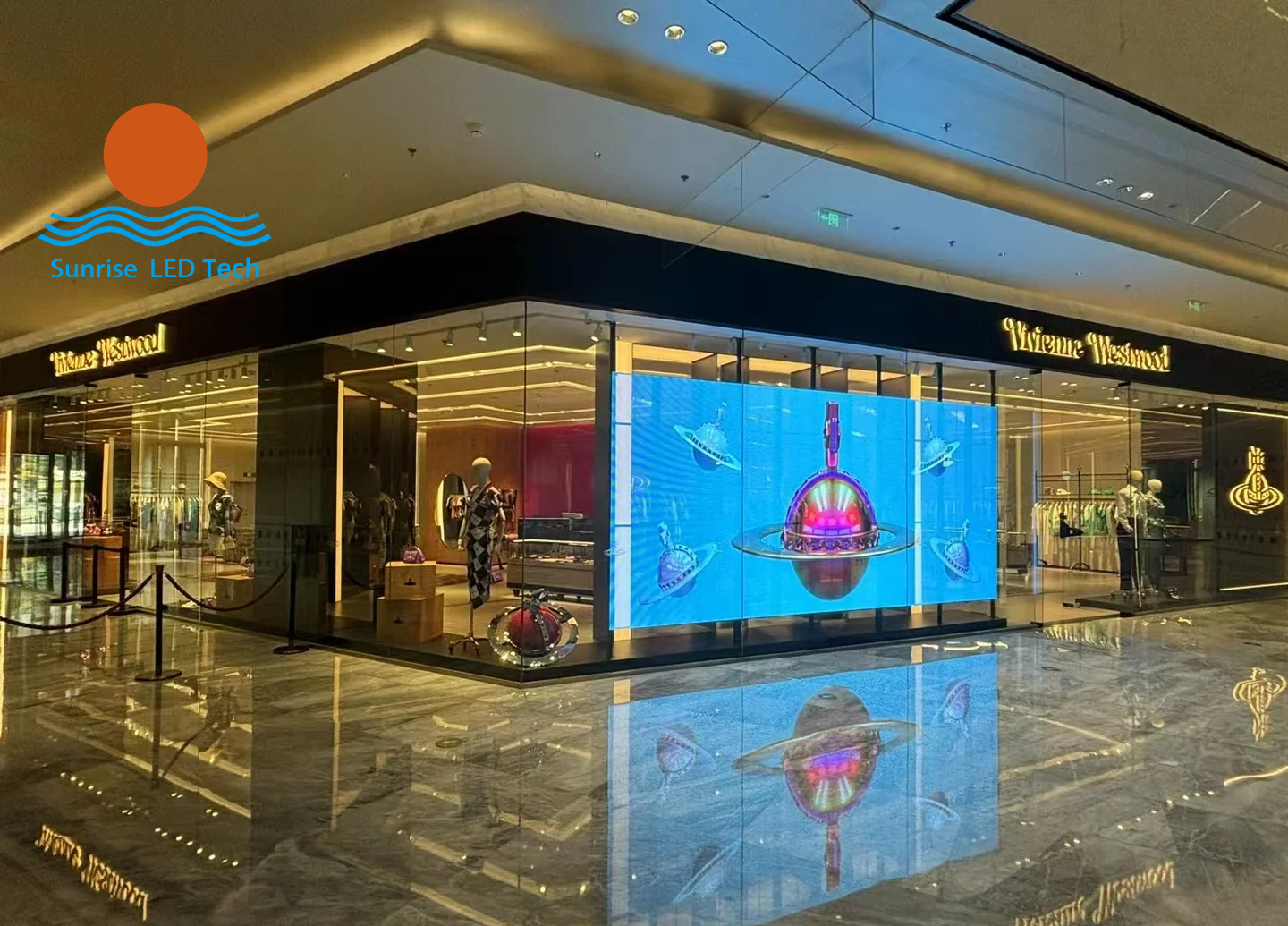
City retailers are dealing with thinner profit margins and tougher competition lately, which explains why we've seen around 40% more transparent LED screens popping up in store windows throughout big cities according to RetailTech Insights from 2025. These new screens aren't your average displays though. They let through about 85% of light according to those DisplayMate folks back in 2024, so they actually solve this big problem that stores have had forever. How? Well, they allow customers outside to still see what's inside the shop while showing off cool digital stuff at the same time. Take places like Tokyo's Ginza district or Fifth Avenue in New York City. A surprising number of upscale shops there have started using this TLS tech now. Roughly 30% of them mix animated visuals with live product displays in their windows, giving passersby something pretty neat to look at without blocking view into the actual store.
From static signage to dynamic storytelling: The evolution of shop window advertising
More and more retailers are ditching those old static posters for TLS powered displays these days. According to ABI Research from last year, stores that switch to dynamic content actually get customers hanging around 78% longer. What this means in practice is pretty cool stuff happening right now. Stores can send messages based on who walks by when. Think about it morning commuters passing coffee shops see breakfast deals flashing on cafe windows, whereas folks walking past in the evening catch sight of limited time offers going viral. Big name fashion companies have caught onto this trend too. They're putting about a fifth of their marketing money into these TLS campaigns instead of spending hours every season changing out window displays manually. The digital boards just update themselves whenever something new happens with fashion trends, bad weather hits, or stock starts running low at particular locations.
Case study: Leading fashion brands leveraging transparent LED film screens in flagship stores
A global luxury apparel brand recorded a 33% sales uplift after installing ultrathin TLS filmâless than 3mm thickâat its Paris flagship. The technology enabled seamless integration of virtual models and animated overlays behind actual merchandise, achieving a 29% increase in conversion rates while preserving 92% product visibility.
| Traditional Display | TLS Film | |
|---|---|---|
| Installation Time | 14 days | 2 days |
| Content Update Cost | $12,000/season | $300/week |
| Peak-Hour Engagement | 12 sec avg. | 87 sec avg. |
| (Data: International Council of Shopping Centers 2024) |
This case underscores TLSâs ability to merge digital engagement with tangible retail presence, reducing operational costs and enhancing customer interaction simultaneously.
Seamless Aesthetic Integration Without Compromising Visibility
Preserving Product Visibility While Enhancing Visual Impact With High-Transparency LED Screens
Transparent LED screens today can let through around 75 to 85 percent of natural light, which meets what most industries consider acceptable for clear visibility during the day while still showing bright digital images. These panels are incredibly thin too, measuring less than five millimeters thick so they can be mounted right on glass surfaces without blocking the view outside. Retail stores love this because it means they can put up ads and also show actual products in the same shop window at the same time. The ability to do two things at once beats regular signs hands down. Imagine just one square meter of store front that works both as advertising space and as a place where customers can actually see products they might want to buy.
Blending Architecture and Technology: How Transparent LED Screens Maintain Storefront Design Integrity
TLS setups work well with building features like mullions and frame systems without messing up the look of old or new structures. When not in use, these glass-like modules blend right into the building's face, and the cooling panels don't require those big outside vents that ruin straight lines. A recent survey from commercial architects back in 2023 showed something interesting about this tech. Projects that used clear LED displays got green lights from city officials about 34 percent quicker compared to regular digital signs. Why? Because they just don't stick out visually and installers can put them in without tearing things apart.
Customizable Formats and Flexible Installation Options for Diverse Retail Facades
| Feature | Retail Application |
|---|---|
| Curved panels | Adapt to rounded historical building windows |
| Modular grids | Scale from 2m² boutique displays to 50m² mall installations |
| Dual-layer glass integration | Maintain thermal efficiency in climate-controlled stores |
Engineered for flexibility, TLS systems support 180° viewing angles through precision pixel alignment. Magnetic mounting allows seasonal reconfiguration in under three hours, and screen-free zones can be preserved for emergency exits or architectural highlightsâensuring compliance and design continuity without permanent modifications.
Superior Daylight Performance and Technical Advantages
Overcoming sunlight glare with high-brightness, daylight-readable transparent LED displays
The new transparent LED screens can hit around 7,000 nits of brightness, which is basically as bright as a phone screen sitting in full sun. This impressive performance comes from those fancy optical filters and super high contrast ratios that reach about 15,000 to 1. What does this mean for actual use? These screens stay readable even when the sun is beating down hard something regular LCDs just cant handle once ambient light gets past 100,000 lux. The companies behind these displays also developed some smart brightness control tech that cuts glare by roughly two thirds compared to normal LED screens according to Digital Signage Federation data from last year. And the numbers speak for themselves too many stores have seen customers spend about 40% more time looking at products displayed on these daylight friendly transparent LED screens rather than old school options.
How transparent LED screen technology ensures vibrant colors and sharp visuals at all times
TLS displays cover 98% of the DCI-P3 color gamut, which is basically the gold standard for accurate colors in movies and TV shows. The screens deliver vibrant, uniform colors no matter what kind of lighting they're exposed to. Inside these displays are powerful 4K image processors that refresh content at an impressive 7,680Hz rate. This means videos look super smooth without any annoying motion blur, even when watching fast action scenes or reading text that scrolls quickly across the screen. For extreme environments, military grade heat dissipation layers keep things cool and stable. These components ensure brightness stays consistent within just 2% variation, whether it's freezing cold at -20 degrees Celsius or sweltering hot at 50 degrees. Special anti reflective nanocoatings help too, cutting down on surface light absorption by nearly 30%. This makes screens easier to read outside under bright sunlight while still looking great indoors where ambient lighting matters a lot for visual comfort.
Driving Engagement Through Dynamic and Interactive Content
Capturing Attention With Real-Time Updates and Motion Graphics During Peak Shopping Hours
Clear LED screens are transforming store fronts into interactive hubs where brands can display live social media updates, countdown clocks, and festive animations right through the glass. Studies from RetailTech Insights show that during busy times, these moving visuals actually get people's attention about 34 percent more than regular static signs did back in the day. Take for example an electronics shop in Tokyo which noticed their afternoon business jumped around 22% once they started showing live product demos on those transparent LED windows. The takeaway? When passersby see something relevant at just the right moment, it really does catch their eye and often leads them straight into the store.
Interactive Campaigns and Data-Driven Content Strategies Using Window Display LED Screens
Consumers increasingly expect interactivity: 68% prefer stores offering augmented reality (AR) previews via window screens over traditional displays (Omnichannel Retail Report 2023). Transparent LED systems enable two-way engagement through:
- Touch-sensitive product catalogs
- Weather-responsive outfit suggestions
- Live polling for instant feedback
A boutique in Milan increased email sign-ups by 140% using an interactive TLS quiz that matched pedestrians with personalized style recommendationsâproving that data-driven, responsive content strengthens customer connection and captures valuable leads.
Measuring Effectiveness: Increased Dwell Time and Conversion Rates in Stores With Transparent LED Screens
Performance metrics confirm the impact of TLS technology:
| Metric | Improvement | Source |
|---|---|---|
| Average dwell time | +110% | Retail Analytics Pro 2024 |
| Window-to-door conversion | +29% | High Street Trends 2023 |
| Social media mentions | +75% | BrandWatch Commerce 2024 |
These results explain why 82% of premium retailers now prioritize transparent LED installations in flagship locationsâtransforming passive windows into measurable drivers of foot traffic, engagement, and sales.
FAQ Section
What is the main function of transparent LED screens in retail?
Transparent LED screens in retail primarily function as both advertising space and a means to maintain product visibility inside the store. They allow stores to attract and engage customers with dynamic visual content while still showcasing actual products.
How do transparent LED screens improve the aesthetic appeal of store fronts?
Transparent LED screens enhance store fronts by integrating seamlessly with architectural features like mullions and frame systems. They blend invisibly into the buildings and maintain design integrity without requiring extensive structural modifications.
What are the key benefits of using transparent LED screens for retailers?
Retailers can benefit from transparent LED screens through reduced installation time, lower content update costs, increased customer engagement, and improved conversion rates. Additionally, they support flexible installation options to adapt to diverse retail environments.