 EN
EN
Architectural Integration: Transforming Buildings with Flexible LED Facades
How Flexible LED Displays Adapt to Modern Building Designs
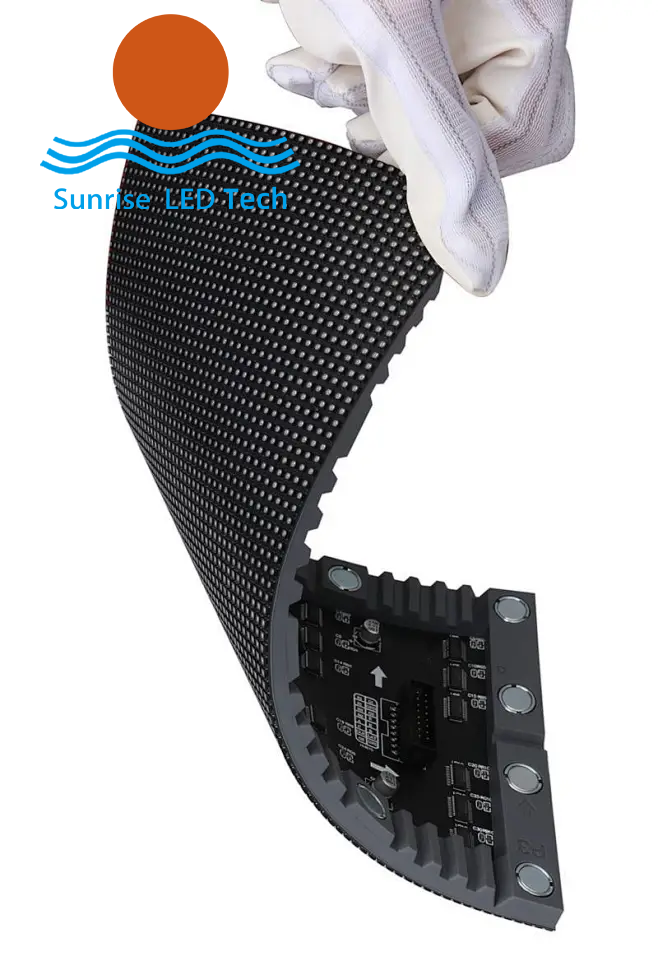
Architects today are getting pretty excited about using flexible LED displays that blend digital tech right into building structures. These super thin panels aren't stuck to flat surfaces like traditional screens. They bend nicely around curved glass walls, snake their way around support columns, and even work well with stuff like holes in metal sheets or stretched fabric covers. At just under 2mm thick, these panels fit right inside walls without making them vulnerable to weather damage or weakening the overall structure. A great example of this tech in action is the Seoul Metro Government Building. The place has something like 14,000 of these flexible LED pieces covering its wavy outside surface, turning the whole building into what looks like a living, breathing digital canvas from afar.
Modular Installation on Curtain Walls and Curved Exteriors
Lightweight aluminum-backed LED tiles (3.8 kg/m²) enable safe installation on complex geometries. Prefabricated modules with magnetic connectors or slide-in rails allow for:
- Secure attachment to curtain walls without drilling
- Rapid replacement of damaged panels under 10 minutes per unit
- Seamless visual continuity with gap spacing under 3mm across 15-meter curved sections
This modular approach reduced installation time by 40% at Dubai's ICD Brookfield Place, where 2,200 flexible LED units were mounted on a wave-like facade, streamlining both logistics and maintenance.
Case Study: Dynamic LED Facade on a High-Rise in Seoul
The 63 Square skyscraper exemplifies scalable integration of flexible LED technology:
| Metric | Specification |
|---|---|
| Display Area | 4,200 m² |
| Pixel Pitch | 6mm |
| Energy Use | 35% less vs conventional |
| Content Zones | 48 independently controlled |
Its 9,600 flexible panels withstand typhoon-force winds (60 m/s) while delivering 5K-resolution animations visible from up to 1.2km away, combining durability with high visual impact.
Balancing Visual Impact, Energy Efficiency, and Structural Safety
Leading manufacturers are cutting power usage by nearly 56% thanks to new tech like micro-driver IC chips which consume just 0.8 watts per 100 pixels, plus special light conversion films that make displays brighter by 30% without using extra electricity. Meeting the IEC 61215 standard means these products can handle serious environmental stress tests including temperatures ranging from minus 40 degrees Celsius all the way up to 85 degrees Celsius, plus exposure to almost complete humidity levels at 98%. This kind of durability matters a lot when equipment needs to perform reliably whether installed in freezing warehouses or hot desert environments where regular components would fail after months of operation.
Immersive Exhibitions and Trade Show Displays with Curved LED Screens
Creating Engaging Booth Experiences Using Shape-Adaptive LED Technology
At trade shows these days, flexible LED screens are changing how people interact with exhibits by surrounding them completely from all sides. The curved setups basically get rid of those annoying blind spots and make folks feel much more immersed in what they're seeing. According to recent surveys, around three quarters of people who attend events remember things better after experiencing this kind of wraparound visual presentation. What makes these displays really special is their ability to adapt shapes on the fly. Some booths can morph into big brand tunnels that curve outward while others create inward facing product displays. The tech behind it actually syncs moving images with the physical space itself, helping direct where visitors walk and making the overall story telling experience far more engaging for everyone involved.
Installation Techniques for Seamless Curved and Cylindrical Surfaces
Achieving flawless sightlines on non-linear surfaces relies on:
- Magnetic interlocking panels that conform to radii as tight as 1.5m
- Ultra-thin 2.5mm modules, reducing weight by 60% compared to rigid displays
- Pixel-shift calibration to eliminate visible seams on cylindrical columns
These techniques support installations on spiral staircases, circular podiums, and domed ceilings all while preserving 4K resolution and visual coherence.
Case Study: 360-Degree Cylinder Display at CES Innovation Showcase
During last month's CES show, there was this amazing 10 meter tall cylinder made of flexible LED screens that glowed at an impressive 12,000 nits of brightness. The thing could display twelve different products all at once by spinning content vertically around its surface. People were really drawn to it. Booth traffic jumped by 140 percent over what nearby static displays got, and folks actually stayed three times longer than usual, hanging around for about 4 minutes and 12 seconds on average. This shows just how much better curved displays work when trying to grab attention in busy trade show settings where competition for eye space is fierce.
Fast Deployment Strategies for Temporary Event Setups
Modular systems now enable deployment speeds up to 80% faster thanks to:
- Pre-curved transport frames eliminating onsite bending
- Tool-free connectors allowing panel attachment in under 30 seconds
- Unified power-data cabling cutting wiring time by 75%
This efficiency makes it possible to install large-scale curved displays up to 1,500m² in under four hours, a crucial advantage for multi-day expos where rapid teardown affects venue turnover costs.
Retail and Shopping Mall Applications for Enhanced Brand Engagement
Replacing Static Signage with Dynamic, Flexible LED Digital Displays
More and more stores are swapping out old fashioned signs for those bendy LED screens that can wrap around all sorts of odd shapes like pillars, stairs, even curvy storefront windows. These flashy displays show everything from crystal clear ads to holiday specials and live social media updates on surfaces that would have been impossible just a few years ago. A recent report from Retail Tech Insights found that nearly 8 out of 10 businesses who installed these flexible LED displays saw customers hanging around their shops about 30% longer than when they had regular static signs. The good news is these displays are pretty tough too. They carry an IP65 rating which basically means dust and water won't stop them working properly whether they're inside a shopping center or stuck outside near a food court where rain sometimes finds its way through the roof.
Benefits of Flexible LED Displays in Advertising and Spatial Design
Flexible LED technology enhances retail spaces by merging advertising with architecture, enabling:
- 360° brand storytelling via wrap-around product visualizations
- Space optimization through integration with ceilings, columns, and railings
- Real-time content updates without physical replacements
A 2024 Material Efficiency Report found that ultra-thin flexible LED panels consume 40% less energy per square meter than traditional backlit signage. Their modular nature also allows retailers to repurpose displays across multiple locations, improving cost efficiency.
Case Study: Column-Wrapping LED Display in a Tokyo Department Store
One of Tokyo's most iconic department stores recently transformed its central escalator column into something truly remarkable - a massive cylindrical LED display stretching 16 meters high. With tiny 2.5mm pixels and visibility from nearly every angle across three different floors, this impressive installation showcases rotating ads from top luxury brands. What makes it even cooler? Motion sensors detect when shoppers get close and trigger special product reveals that grab attention right there on the spot. The results speak for themselves after just half a year: people started heading upstairs 42% more often than before, and those who stopped by actually spent 28% more money on average for the brands being promoted. Pretty smart move for boosting both foot traffic and sales at once.
Stage and Event Productions Using Portable and Bendable LED Solutions
Redefining Stage Backdrops with Custom-Shaped Flexible LED Screens
Stage designers are finding new creative possibilities with flexible LED displays that let them build truly immersive environments. These bendable panels, which range between 2 to 6 mm thick, can be shaped into all sorts of forms like curves, arches, even full 3D structures while still maintaining good image quality. The numbers tell an interesting story too. According to a recent 2023 report on live event tech, over three quarters (78%) of event planners have started putting shape adaptable displays at the top of their priority list, way up from just under half (49%) back in 2020. And audiences definitely notice these changes. Concertgoers who experience 360 degree LED stages rate the overall production value as being 63% better according to EventTech Magazine's findings from last year.
Lightweight Modularity for Rapid Setup and Transportability
The portable flexible LED systems cut down on setup time quite a bit actually around 40 to maybe even 60 percent because they come with those handy magnetic connectors and no tools needed for assembly. The panels themselves are pretty light too, about 12 pounds per square meter max, so a team can put together a full sized 20 foot by 12 foot video wall in less than 90 minutes flat. That kind of speed really matters when working on tour shows or big festivals that run over multiple days. Plus, these systems feature aerospace quality aluminum frames along with clever folding designs that make transportation much easier. We've seen loading trucks get packed twice as fast compared to traditional setups, which saves both time and money during production moves.
Case Study: Curved LED Wall at a Global Tech Product Launch
The recent smartphone launch in San Francisco featured something pretty amazing - a massive 270 degree curved LED wall that basically surrounded everyone at the event. This thing had live demos playing alongside some cool CGI animations running on it nonstop. Built from around 1,200 flexible panels spaced just 1.5mm apart, the whole 8K display offered viewers about 25% more visibility compared to regular flat screens. After the event wrapped up, they did some surveys and found out that nearly nine out of ten people remembered seeing that LED wall first when thinking back on what happened there. The marketing team was thrilled too since this setup beat normal event displays by almost a third when it came to how well folks remembered their brand later on.
Outdoor and Public Art Installations Enabled by Durable Flexible LED Technology
From Urban Landmarks to Interactive Park Sculptures
Flexible LED displays are changing how we think about public art, turning fixed buildings and structures into living, breathing works of art that respond to their surroundings. According to a recent industry analysis from 2023, there's been something like a 27% yearly increase in these kinds of digital art projects that use flexible screens. These displays can wrap around all sorts of unusual shapes - think domes, curvy walls, even irregular architectural forms that would never work with traditional flat screens. Many cities have started putting them into interactive sculptures too. Take those amazing park installations where lights pulse and change color based on how many people walk by. It's not just pretty to look at anymore; it actually reacts to the environment around it, creating a whole new kind of connection between artwork and its audience.
High IP Ratings and Environmental Resilience for Outdoor Use
Flexible LED displays designed for outdoor use come with IP65 or IP67 protection ratings that keep them safe from rain, dust particles, and extreme temperatures between minus 20 degrees Celsius all the way up to 50 degrees. These displays last about 100 thousand hours before needing replacement, which is roughly three times what standard lighting solutions manage. That makes them perfect for things like permanent installations in city centers where maintenance costs need to stay low. The displays also have special cooling systems built right in so they don't overheat when placed in really hot environments. Plus there's those anti glare treatments on the surface that actually work pretty well, making sure people can still read whatever content is displayed even when the sun is beating down directly on it during midday hours.
Case Study: Circular Ceiling Display in a Dubai Mall Atrium
In one of Dubai's biggest shopping centers stands a massive circular LED canopy stretching across 22 meters all around. This isn't just any lighting fixture though it showcases what happens when flexible LEDs meet creative design. The display runs at 4K resolution, showing off sweeping desert vistas alongside colorful abstract patterns while background sounds create an immersive atmosphere. After being installed for just over a month, foot traffic stayed longer inside the mall area about 40% longer than before according to staff reports. Social media buzz also spiked dramatically, jumping nearly triple what was seen previously. So this isn't merely decorative art work anymore it serves as powerful marketing tool too, drawing attention and keeping people engaged far beyond what traditional displays manage.
Trend: The Rise of Artistic Digital Installations in Public Spaces
More than half of city art budgets these days set aside money for digital displays, showing how cities are moving away from traditional stone or metal sculptures towards works that can change and update themselves. Museums and parks around town are starting to install those bendy LED screens alongside augmented reality stuff, so people can actually change what they see just by pointing their phones at certain spots. The whole point seems to be catering to folks who want more than just looking at something static they cant touch or interact with in any way. People nowadays seem to crave experiences where they feel connected to both the real world around them and whatever digital layer gets added on top through their devices.
Frequently Asked Questions
What are flexible LED displays?
Flexible LED displays are thin, bendable panels that can be integrated into architectural structures and exhibit spaces. They adapt to various shapes and surfaces seamlessly.
How do flexible LEDs improve energy efficiency?
Flexible LEDs enhance energy efficiency by using micro-driver IC chips and light conversion films that increase brightness without additional power consumption.
Are flexible LED displays suitable for outdoor use?
Yes, flexible LED displays are designed for outdoor use with IP65 or IP67 ratings offering protection against rain, dust, and extreme temperatures.
Table of Contents
- Architectural Integration: Transforming Buildings with Flexible LED Facades
- Immersive Exhibitions and Trade Show Displays with Curved LED Screens
- Retail and Shopping Mall Applications for Enhanced Brand Engagement
- Stage and Event Productions Using Portable and Bendable LED Solutions
- Outdoor and Public Art Installations Enabled by Durable Flexible LED Technology
- From Urban Landmarks to Interactive Park Sculptures
- High IP Ratings and Environmental Resilience for Outdoor Use
- Case Study: Circular Ceiling Display in a Dubai Mall Atrium
- Trend: The Rise of Artistic Digital Installations in Public Spaces