 EN
EN
Seamless Aesthetic Integration Through Transparency and Slim Design
How the transparency of LED film screens preserves natural light and outdoor views
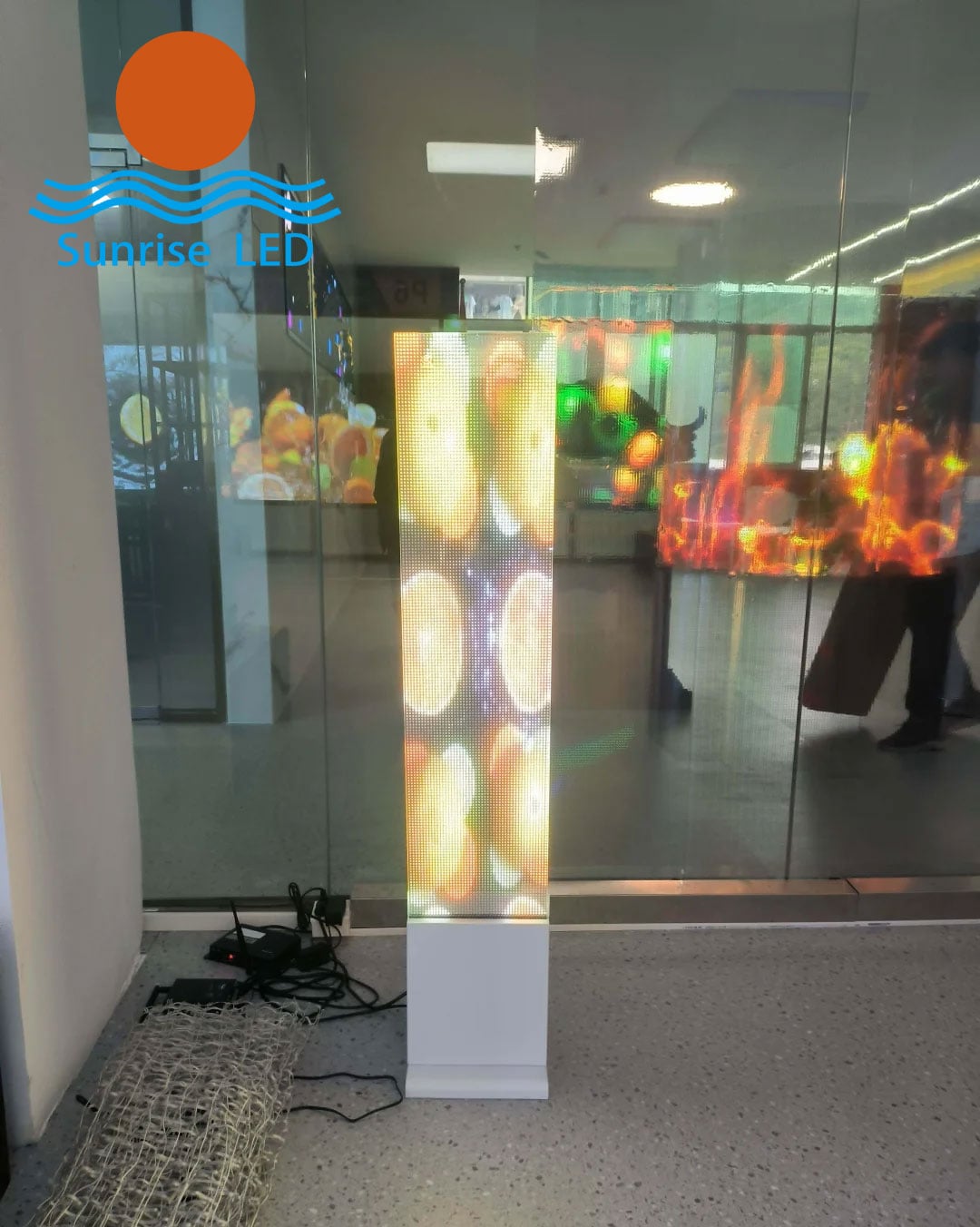
LED film screens let around 70 to 85 percent of light pass through them, so natural sunlight can still reach inside while showing colorful digital images at the same time. Traditional screens block the view outside, but these thin panels actually attach right onto glass surfaces without breaking the connection between indoors and outdoors. Stores and offices are starting to install them because they offer two benefits at once. The result is brighter spaces without needing as many lights during the day. Some businesses report cutting their electric lighting usage nearly in half when daylight is available.
Invisible when off: Enhancing modern architecture with unobtrusive technology
High quality LED film screens practically disappear when turned off, merging right into the glass architecture around them. This makes them ideal for luxury hotel lobbies and corporate office buildings where the goal is to have tech that complements instead of competes with the overall look. A recent study from 2023 found that almost 8 out of 10 architects are looking for displays that don't mess with the building's structure or visual appeal. Transparent LED films have become pretty popular among designers working on projects where discretion matters but cutting edge tech is still needed.
Case study: LED film screens in corporate lobbies maintaining daylight and elegance
One major Fortune 500 corporation recently transformed the lobby of its 12 story headquarters by installing these cool 360 degree LED film screens on those curved glass walls throughout the space. The new setup keeps about 92 percent of natural light coming through during the day, which is pretty impressive considering all those fancy digital displays. Plus they added some interactive elements that tell their brand story in interesting ways. According to people running the facility, lighting bills dropped by around 31% after installation, and visitors started spending much more time in the area too – engagement went up nearly 70%. These kinds of transparent screens really do help companies meet their green goals without sacrificing good design. The building looks amazing now, but it also saves money and connects better with customers walking through the doors.
Flexible and Customizable Installation for Diverse Indoor Spaces
Modular design enables seamless LED video walls in retail and hospitality
The modular LED film systems give designers freedom to create video walls that grow with space needs in retail spots and hotels alike. The plug and play panels go up about 73 percent quicker compared to old school displays according to Digital Signage Trends 2023 report. They just snap together like building blocks for architecture projects. Stores love being able to switch things around every season without tearing anything apart. One month they might have small displays highlighting products, next they transform into those cool circular runway setups during fashion shows, all while keeping the existing structure intact.
Custom shaping for curved glass and non-standard surfaces in modern interiors
Premium LED film screens offer something that traditional options just cant match when it comes to curved spaces. These flexible displays can wrap around both convex and concave surfaces at angles up to about 15 degrees without losing their impressive 4K clarity. Take for instance what one upscale hotel group did recently installing massive 270 degree circular screens inside their elevator lobbies. They used special adhesive backed films stuck right onto the tempered glass panels there. The big plus here is that this approach keeps all those original design elements intact which matters a lot since almost nine out of ten historic building renovations require preservation of existing architecture according to latest data from the American Institute of Architects.
Applications in museums, event venues, and historic buildings with minimal impact
These LED film screens measure only 2.9mm thick, making them great for putting interactive stuff right over museum displays without messing around with valuable climate-sensitive items inside. Party organizers love how they can take those boring ballroom windows and turn them into flashy brand spots at night events thanks to that impressive 500:1 contrast ratio. Take Chicago for example where some folks working to preserve history actually put 120 square meters worth of this LED film onto old store windows from the last century. Amazingly enough, these installations let through 92% of natural light during the day while still allowing for cool digital explanations about whatever is displayed behind them. This shows that such technology works well even when dealing with strict heritage protection rules.
Energy Efficiency and Sustainability Benefits of LED Film Screen Technology
LED film screen technology transforms indoor environments by merging high visual performance with measurable environmental benefits. Its ultra-slim, energy-conscious design supports green building initiatives through three core advantages.
Low power consumption compared to traditional indoor display technologies
LED film screens today use around 72 percent less power compared to regular LCD video walls, and they still manage to hit an impressive 800 nits of brightness. Industry reports back this claim, though specifics vary depending on who's measuring what exactly. What makes these screens so efficient? They come equipped with ambient light sensors that automatically adjust brightness levels based on surrounding conditions. This means no wasted electricity when there's plenty of natural light coming through windows or ceilings. Behind all this lies micro-LED diode tech, something that allows for stunning contrast ratios without guzzling power like traditional displays do. The result? Clearer images and lower electricity bills for businesses installing them in retail spaces or corporate lobbies.
Measurable energy savings in office and retail environments
Stores that switch to these clear LED film screens typically end up saving around $12 for every square foot they cover each year when it comes to electricity bills, according to the Commercial Lighting Report from 2023. Many shop owners have noticed something else too their heating and cooling costs drop by about 38% because these screens don't give off as much heat as old fashioned neon signs do. That makes a real difference especially in places where temperature control is crucial like supermarkets or art galleries. The panels last for about 50 thousand hours before needing replacement, which means less downtime and fewer headaches over repairs. Maintenance costs run about 60% cheaper than what businesses used to pay for those bulky traditional displays, so while the initial investment might seem steep, most find that these savings pile up pretty quickly over time.
Contribution to green building certifications like LEED and BREEAM
These displays support compliance with sustainability benchmarks, contributing to up to 9 LEED credits in the Energy & Atmosphere category via:
- 45% reduction in lighting power density
- Compatibility with smart building automation systems
- 92% recyclable material composition
Four Fortune 500 headquarters achieved BREEAM “Outstanding” ratings by adopting LED film screens as primary digital signage, highlighting their growing role in sustainable architectural design.
Superior Visual Performance with High Brightness, Clarity, and Color Quality
Modern LED film screens deliver 97% color uniformity across panels (DisplaySpecifications 2023), ensuring consistent image quality even in sunlit atriums or brightly illuminated retail zones. Advanced models maintain 1,500 nits brightness under 1,000+ lux ambient light–outperforming conventional indoor LCDs while using 35% less energy.
Exceptional Visibility Under Ambient Indoor Lighting Conditions
Matte-finished transparent LED film screens eliminate glare in high-exposure areas such as office lobbies and museums. A 2023 retail lighting study found that installations near floor-to-ceiling windows maintained 220% higher contrast ratios than frosted glass alternatives during peak daylight, ensuring legibility and visual impact.
Advanced Color Accuracy and Vivid Visuals in Ultra-Thin LED Film Panels
HDR-enabled LED film screens reproduce 99% of the DCI-P3 cinematic color gamut at only 3.5mm thickness. This capability allows luxury retailers to present product textures with photographic accuracy while preserving 82% natural light transmission through storefront glass.
Case Study: Brand Activation in Retail Using High-Clarity Transparent Displays
A European cosmetics chain saw a 40% increase in customer dwell time after deploying 360° LED film kiosks that displayed ingredient narratives through transparent panels. The installation offered 160° viewing angles without color distortion and contributed to LEED Gold certification through its 550W/m² power efficiency.
User Experience Improvements Through Dynamic, Low-Latency Content Delivery
With 120Hz refresh rates and sub-8ms response times, these displays support fluid touch interactions at trade shows and galleries. Cultural institutions using motion-activated content report 28% longer visitor engagement than with static digital signage (CulturalTech Insights 2024), underscoring the value of responsive, immersive experiences.
FAQ
What are LED film screens?
LED film screens are ultra-slim panels that can adhere to glass surfaces and allow natural light to pass through while displaying digital content.
How do LED film screens improve energy efficiency?
They use about 72% less power than traditional LCD displays and have ambient light sensors that adjust brightness automatically, reducing unnecessary energy consumption.
Why are LED film screens suitable for modern architectural projects?
Their transparent nature allows them to integrate seamlessly into glass structures, preserving the aesthetic appeal and letting in natural light even when off.
Where can LED film screens be used?
They are versatile and can be used in corporate lobbies, retail spaces, hospitality venues, museums, historic buildings, and event settings, among others.
Can LED film screens be customized?
Yes, they offer modular designs for creating bespoke video walls and can be shaped to fit curved or non-standard surfaces while maintaining image clarity.
What are the environmental benefits of using LED film screens?
LED film screens contribute to green building certifications and are composed of 92% recyclable materials, supporting eco-friendly design initiatives.