 EN
EN
Optimize Pixel Pitch and Brightness for Stage Screen LED Performance
How pixel pitch affects clarity and optimal viewing distance across event types
The spacing between individual LEDs on a screen, known as pixel pitch, plays a major role in how clear images appear and what distance works best for viewers watching stage screens. When we talk about smaller pitches like P2.5 through P4, these configurations cram more LEDs into each square meter, resulting in sharper images that work well when people are sitting close to the action during things like business meetings or live theater shows where folks typically sit within about 10 meters away. For such situations, anything below 4mm in pitch generally keeps text readable and graphics crisp even when someone's only 3 to 8 meters back from the screen. On the flip side, big outdoor events where crowds stand 20 meters or more away often get by just fine with larger P6 to P10 panels. These bigger pixels offer decent visuals without breaking the bank or making installation impossible because of their size. According to research from folks in the live events industry, getting the pixel pitch wrong can really hurt engagement levels, sometimes dropping interest by around 40%. Just imagine trying to watch a P10 screen from only 5 meters away – those pixels would be obvious to everyone. Conversely, sticking a super fine P2.5 panel out there at 30 meters doesn't actually improve picture quality much for most eyes, but it definitely costs extra money that could go elsewhere.
Brightness requirements: indoor stage screen LED (800–1,200 nits) vs. outdoor festival LED screens (5,000+ nits)
Getting the right brightness level depends on how bright the surrounding area actually is. It's not just about making sure people can see what's on screen, but also keeping colors looking true and comfortable for viewers' eyes. For indoor spaces where lights are carefully managed, somewhere between 800 and 1,200 nits works pretty well. This keeps images sharp without creating annoying glare or losing detail in darker parts of the picture. Going over 1,500 nits inside tends to make folks feel tired after watching for too long and messes with the overall quality of the display. When we talk about outdoor settings though, things get completely different. Midday sun can hit over 100,000 lux, so screens need at least 5,000 nits just to stay visible and clear. Anything under 4,500 nits basically disappears in daylight, which cuts down on impact by around 70% based on tests done by the Lighting Research Center. Venues that sit somewhere between indoor and outdoor, like those stadiums with retractable roofs, usually work best with displays around 2,500 to 3,500 nits combined with smart dimming technology that changes brightness automatically depending on current lighting conditions. One thing worth mentioning is heat management gets trickier as brightness increases. Regular fans might handle indoor setups fine, but anything running above 5,000 nits outside needs proper cooling solutions if it's going to last through long events without damaging the LEDs.
Choose Cabinet Design and Installation Method for Stage Flexibility and Impact
Modular vs. fixed cabinets: balancing rental adaptability with permanent stage screen LED integration
The way cabinets are designed really impacts how efficient operations run day to day and what kind of value they hold over time. Take modular cabinets for instance these days. Most come equipped with those standardized connectors that don't need tools to lock everything together. Setup can be around 30% quicker compared to traditional fixed models, which explains why so many touring shows and equipment rental companies rely on them week after week as they move from venue to venue. The frames made from lightweight aluminum make all the difference when it comes to getting things loaded onto trucks, stored properly, and scaling up from small setups like a typical 3 meter by 2 meter backdrop for corporate events right up to massive installations measuring 20 meters wide by 10 meters tall. On the other hand, fixed cabinets have their own strengths. They focus on exactness and lasting durability. Those die-cast aluminum housing units keep panels aligned within about 0.1 millimeter accuracy even after years of constant use. That matters a lot in places like theaters, TV studios, and big concert venues where audiences expect seamless joins between panels and curved surfaces that look perfect every night. These cabinets also handle environmental factors better with improved sealing against dust and moisture plus better shock absorption features that cut down on regular maintenance needs. At the end of the day, picking between modular and fixed depends mostly on how often the system needs to change configurations. Modular options work best when speed and overall cost matter most for temporary setups, whereas fixed cabinets remain the go to solution for permanent installations where reliability and visual quality cannot compromise.
Hanging, stacking, and curved configurations to enhance stage architecture and audience immersion
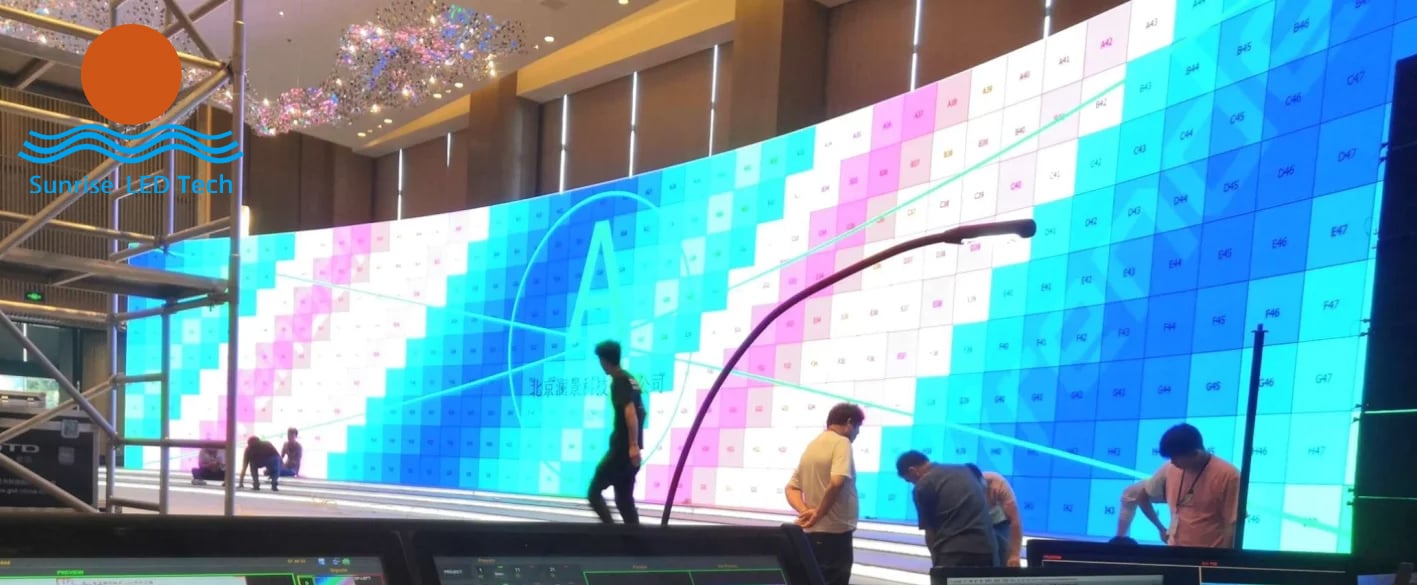
The way we install LED screens turns them from simple flat displays into actual stage components that add dimension to performances. When hanging arrays are rigged from overhead trusses or ceiling structures, they free up valuable floor area, let technicians adjust positions during shows, and produce those amazing floating visual effects that really enhance the story being told on stage. Ground mounted setups offer better weight distribution and sound stability too, particularly useful when combined with stage platforms to improve visibility for people sitting in different levels of the audience. These days, curved screen arrangements have become pretty common at big music festivals and modern theater productions. They widen the field of view beyond what straight screens can manage, getting rid of those annoying blind spots and creating a sense of depth similar to how our eyes naturally perceive things. Getting this right requires specially designed curved cabinets that fit nicely with existing lighting equipment and actual set pieces. A good setup usually combines a central curved panel with matching flat sides, making sure colors look consistent everywhere thanks to pre-matched hardware and some careful adjustments on site with special calibration gear.
Ensure Reliability with Serviceable, Durable Stage Screen LED Hardware
Front-access maintenance, IP rating (IP65/IP54), and thermal management for high-traffic live events
When it comes to reliability in live productions, theory doesn't matter much what counts is how many minutes pass between equipment failures. The front access design makes all the difference for tech crews who need to swap out LED modules quickly. Most can do it in under ninety seconds without having to tear apart neighboring panels or crawl behind them in tight service areas something that saves precious time during those short breaks between acts or when broadcasting live events. IP ratings tell us about actual durability in the field. Cabinets rated at IP65 stand up to dust completely and resist low pressure water jets according to IEC 60529 standards this matters a lot for outdoor concerts where rain might roll in unexpectedly. For indoor setups, IP54 certification usually works fine since it keeps dust away and handles splashes in controlled environments. Heat management plays a big role in how long equipment lasts too. Without proper cooling, LEDs lose their brightness faster sometimes up to forty percent over extended periods in hot conditions. Modern stage gear includes smart airflow paths, built in temperature monitors, and fans that adjust automatically keeping things running smoothly throughout those four to twelve hour performances. All these improvements together cut down on unexpected shutdowns by around sixty percent according to tests run by ESTA, which means fewer headaches for event organizers dealing with technical difficulties mid-show.
Verify Control System Compatibility for Seamless Stage Screen LED Operation
Critical specs: refresh rate (≥3840 Hz), latency (<16 ms), and compatibility with lighting/video sync protocols
How well the control system works makes all the difference when it comes to LED displays either boosting or messing up live productions. For starters, getting at least 3840 Hz refresh rate stops those annoying flickers when cameras zoom in fast and keeps things clear even during action-packed moments. That's super important for TV broadcasts and streaming events where every frame counts. The system also needs to respond really quickly - ideally below 16 milliseconds from when the signal hits to when pixels light up. Otherwise, dancers or actors won't match what appears on screen, breaking the whole experience and throwing off carefully planned timing cues. Another big deal is making sure everything talks to each other properly. When equipment natively supports protocols like Art-Net and sACN, it means lighting boards, media servers, and LED controllers can work together seamlessly. This lets videos kick off lighting changes automatically or the other way around without needing extra software layers slowing things down. With this kind of tight coordination, stages can pull off synchronized effects tied to timecodes, create visuals that react to music, and track performers in real time. Suddenly the screen becomes part of the performance itself instead of just sitting there looking pretty.
FAQ
What is pixel pitch and why is it important for LED screens?
Pixel pitch refers to the spacing between the individual LEDs on a screen. It significantly impacts image clarity and viewing distance. Smaller pitches like P2.5-P4 provide sharper images for close viewing, while larger pitches like P6-P10 are suitable for distant viewing at outdoor events.
What are the recommended brightness levels for indoor and outdoor LED screens?
Indoor LED screens typically require brightness levels between 800-1,200 nits, while outdoor screens need at least 5,000 nits to remain visible in direct sunlight. Venues with varying lighting conditions, like stadiums with retractable roofs, benefit from displays around 2,500-3,500 nits.
Why are modular cabinet designs a good choice for LED screens?
Modular cabinets allow for quick setup and flexibility, making them ideal for events that require frequent stage configurations. They are lightweight and increase efficiency for transportation and installation, especially suitable for touring shows and rental companies.
What is the importance of control system compatibility for LED screens?
Control systems with at least a 3840 Hz refresh rate and low latency (<16 ms) ensure that LED displays perform well during live productions. Compatibility with protocols like Art-Net and sACN facilitates seamless communication between LED screens and other stage equipment.