 EN
EN
The Growing Demand for Flexible LED Display in Non-Planar Architectural Spaces
Rising Expectations for Immersive, Sculptural Visual Experiences in Modern Venues
Venues today aren't content with just hanging up flat screens anymore. They're going all out with big sculptural installations that actually become part of the building itself, telling stories through light and movement. Designers are specifying these flexible LED displays more and more because they can create those flowing visuals on all sorts of surfaces from curves to angles to completely organic shapes. People visiting museums, shopping centers, or any kind of experience space now expect to feel surrounded by what they see. Traditional flat panels just don't cut it when compared to these bendable LED options that fit right into the architecture. Think about how they transform those wavy walls, high ceilings, or odd shaped columns into something alive and interactive. What happens? The content becomes aware of its surroundings, wrapping around people as they move through the space. This creates stronger emotional connections and keeps folks hanging around longer than ever before.
Limitations of Rigid LED Screens in Curved, Angled, and Organic Architectural Environments
Standard flat LED panels just don't work well in spaces that aren't straight edged rectangles. Because they're so stiff and unyielding, trying to mount them on curved surfaces creates all sorts of problems. We end up with noticeable gaps between panels, pixels that don't line up properly, and images that look distorted rather than crisp. When dealing with tricky angles or unusual shapes like those arches over doorways or buildings with lots of facets, installers need special brackets, extra support structures, and spend hours calibrating everything by hand. The really organic stuff is worst of all. Think about spiral staircases or buildings with flowing, nature-inspired designs. These features typically require expensive fixes or sometimes mean giving up on certain areas altogether. There's also the issue of materials expanding at different rates when heated. Over time, this causes rigid displays to warp and shift out of alignment with whatever surface they're attached to. All these limitations point to why flexible LED displays remain the best option available today for maintaining clear picture quality, seamless visuals, and good integration with buildings that have complicated shapes.
How Flexible LED Display Enables Seamless Integration in Irregular Spaces
Structural Adaptability: Bendability, Thin Profile, and Custom Contouring Capabilities
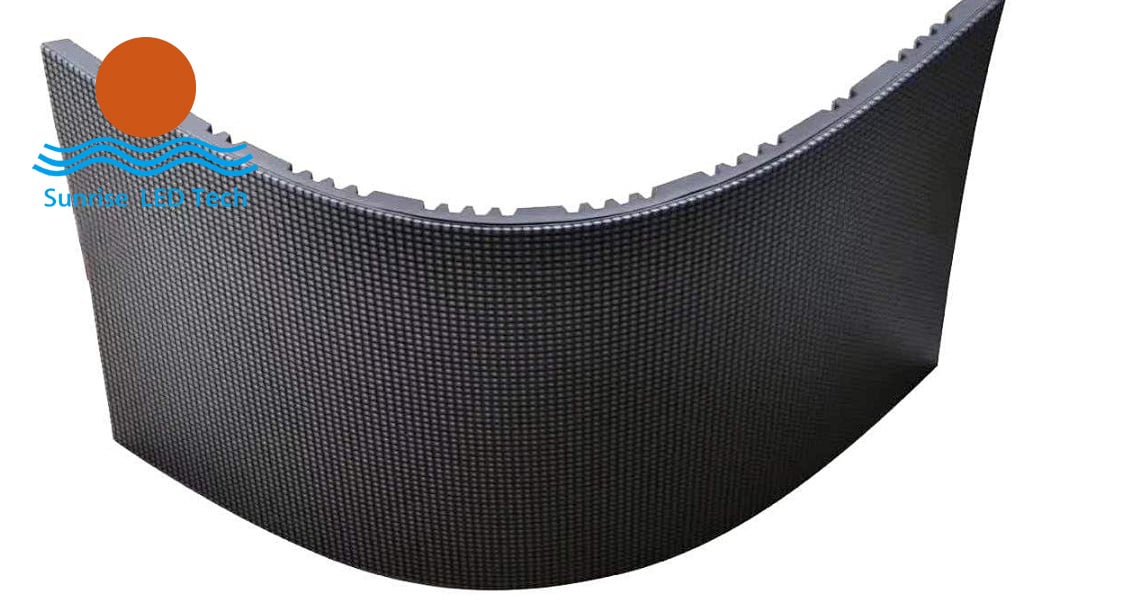
Flexible LED screens rely on bendy circuit boards and super thin components so they can curve around tight angles down to about 150 degrees without creating those annoying bright spots or distortions we all hate. These displays are really slim too, sometimes less than half a centimeter thick, which makes them ideal for mounting directly onto curved surfaces like pillars, rounded ceilings, or those wavy structures architects love so much where regular flat panels just wouldn't fit right. The ability to shape these displays exactly how needed opens up possibilities for custom designs in stores with oval shaped counters, museums with curved rooflines, or office spaces with flowing walls between departments. And best part? They still look great everywhere with even lighting across the whole surface. What used to be a headache for designers trying to work with odd shapes is now becoming their secret weapon for creating memorable experiences that blend technology seamlessly into real world environments.
Installation Advantages: Lightweight Design, Minimal Structural Reinforcement, and Retrofit-Friendly Deployment
Flexible LED panels weigh around 70% less than standard LED walls, so there's no need for all that heavy structural reinforcement work. That makes these panels perfect for old buildings needing preservation, pop-up exhibits at trade shows, or businesses in rented office spaces. The magnetic mounting system lets installers put them up quickly on steel beams or factory-made exterior walls within just a few hours instead of taking days to complete. Some versions come with adhesive backing that sticks right onto glass surfaces, plaster walls, even curved concrete structures without any drilling or bracket installations required. Labor expenses drop by roughly 40% compared to traditional installation techniques according to contractors who've switched over. This speed really matters in places with constant foot traffic such as train stations and sports arenas where downtime during installation simply isn't an option for facility managers.
Real-World Applications of Flexible LED Display Across Iconic Irregular Spaces
Resorts and Cultural Centers: Wrapping Columns, Ceilings, and Facades with Curved LED Surfaces
High end resorts and museums are now incorporating flexible LED displays right into their architecture rather than just sticking them on as afterthoughts. When guests walk into resort lobbies, they often see those beautiful curved screens wrapping around central columns and stretching out over the high ceilings. These screens show ambient visuals that change based on actual weather conditions outside or the time of day inside. Take the Smithsonian Innovation Gallery for instance where flexible displays have been wrapped around fossil displays. The screens bring ancient environments to life with animations, which actually made people spend more time looking at exhibits. According to Museum Tech Journal from last year, visitor engagement went up about 40%. What makes these installations so impressive is how they get rid of those annoying visible seams and differences in depth. As a result, architects can turn entire spaces like domes, archways, and complex curved surfaces into seamless digital experiences that tell stories through motion and light.
Transport Hubs and Stadiums: Dynamic Mesh and Cylindrical Flexible LED Display Installations
Terminal 4 at Singapore Changi Airport has those cool cylinder shaped LED towers that show flight info in multiple languages all around, which cuts down how long people spend asking questions about flights by about 30%. The SoFi Arena in LA took a different approach with their screens. They installed these stretchy mesh displays that bend along the building's beams so fans can see game stats and replays no matter where they're sitting. According to some numbers from the 2023 Venue Tech Census, most new arenas being built today (around 78%) are going for flexible LED setups instead of the old rigid ones when doing retrofits. Why? Well, they weigh less, fit into spaces better, and work with what's already there in the building. Makes sense really if someone wants to upgrade without tearing everything apart.
Future-Proofing Decoration: Innovation and Strategic Value of Flexible LED Display
The flexible LED display tech is changing how long these displays last in buildings and public spaces. What makes it special? Well, the modular setup means individual panels can get upgraded instead of replacing the whole system. Want better resolution? New connectivity options like HDMI 2.1a or AV-over-IP? Improved heat handling? All possible without tearing everything down. Traditional rigid setups demand complete demolition when updating, but flexible ones let building managers refresh sections over time. According to LED Insider Industry Analysis from 2023, this approach saves around 40% on overall costs throughout the product's life. Sustainability isn't an afterthought here either. The super thin panels use about half the materials needed for standard displays. Plus, features like smart brightness adjustment and energy efficient drivers cut power usage by roughly 60% compared to older signs. Venues thinking ahead find value in all this flexibility. Less downtime for maintenance, easier adaptation to changing needs, and seamless integration with moving facades or adaptable interior designs create returns that keep growing year after year as architecture continues to evolve.
Frequently Asked Questions (FAQ)
What are flexible LED displays?
Flexible LED displays are screens made from bendable circuit boards and thin components allowing them to curve and fit across irregular surfaces in architectural spaces.
Why are flexible LED displays preferred over flat LED panels?
Flexible LED displays can adapt to various angles and shapes, providing seamless visual integrations in complex architectural environments where flat panels fail to fit properly.
What advantages do flexible LED displays offer in installation?
They are lightweight, require minimal structural reinforcement, and are retrofit-friendly, thus reducing labor costs and installation time significantly.
Can flexible LED displays be upgraded over time?
Yes, the modular setup allows individual panels to be upgraded without replacing the entire system, making them cost-effective for long-term use.
In which places are flexible LED displays commonly used?
They are widely used in resorts, cultural centers, transport hubs, and stadiums to create visually engaging environments.
Table of Contents
- The Growing Demand for Flexible LED Display in Non-Planar Architectural Spaces
- How Flexible LED Display Enables Seamless Integration in Irregular Spaces
- Real-World Applications of Flexible LED Display Across Iconic Irregular Spaces
- Future-Proofing Decoration: Innovation and Strategic Value of Flexible LED Display
- Frequently Asked Questions (FAQ)