 EN
EN
Modular and Shape-Flexible Stage LED Screens for Dynamic Visual Design
Scalable modular configurations for bespoke stage screen LED layouts
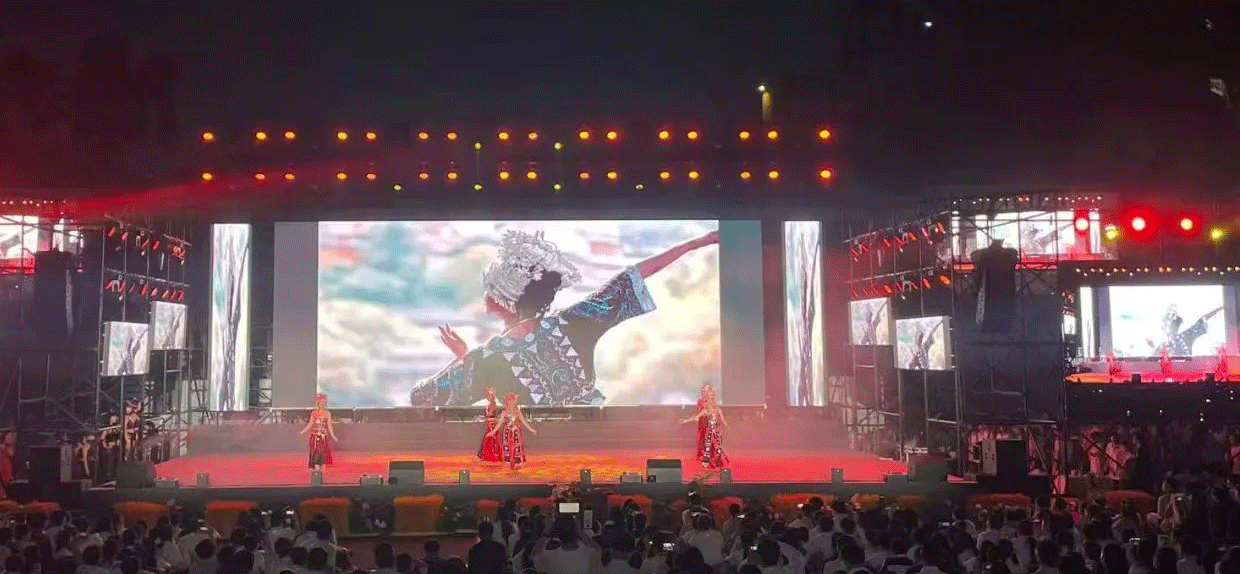
With modular stage LED systems, creators get almost endless options when it comes to arranging panels how they want. The individual pieces fit together really well, so putting together different shapes happens fast. Think big vertical walls or those cool 360 degree tunnel effects that wrap around performers. Venues love this because what works for a huge concert hall with 500 panels can easily become something smaller for clubs without needing new hardware. For production crews, being able to scale up or down means matching visuals properly to event size while saving time during setup and reducing storage expenses by roughly 40% over traditional fixed displays. And since everything connects via plug-and-play design, colors stay consistent throughout any configuration, keeping images sharp and detailed no matter how complicated the layout gets.
Curved, transparent, and irregular-form LED screens enhancing spatial storytelling
When stage designers start playing with non-traditional screen shapes, they turn ordinary performance spaces into something much more interesting. Think about curved screens that surround the audience with wide angle visuals making them feel part of the action. Transparent panels can project holograms right onto live performers, mixing what's real with what's digital. Some shows use weird shaped screens too, like pieces that float in mid air or structures that look like ocean waves. These things move around and respond to dancers on stage creating cool visual tricks. Take the 2023 Lollapalooza festival for instance where long twisting LED strips helped guide people's eyes across different parts of the show as stories unfolded. The effect was pretty amazing actually. What these new technologies really do is blur the line between actual sets and computer generated imagery. Directors now have all sorts of tools at their disposal to control how people perceive space just by manipulating light, angles, and movement patterns during performances.
Real-Time Synchronization: Audio-Driven Visual Effects on Stage LED Screens
Precision timing systems linking music tempo and stage LED screen content
At today's concerts, getting visuals perfectly timed with the music has become essential. Special timing systems help reduce lag so that LED displays match the rhythm of songs almost instantly. These systems work by reading beats per minute and other musical patterns to activate preset lighting effects. Think strobe lights flashing right when the drummer hits those powerful solos, or smooth color changes during softer parts of a song. The technology behind it all makes sure that video equipment stays locked in step with sound mixing boards, so everything happens exactly when it should. What we get is an immersive show where people aren't just hearing the music but actually seeing it come alive through lights and movement across the stage.
AI-powered audio analysis for generative, responsive visual effects
AI takes synchronization to another level compared to those old static trigger methods by actually listening to audio as it happens. The machine learning stuff looks at all sorts of things in the music - how frequencies change, what makes voices sound different from instruments, even when the volume goes up and down suddenly. When someone plays a guitar solo, for instance, the system might turn those sharp high notes into lightning bolt shapes across the screen. And when the bass drops out, we get these cool ripple effects spreading outward. These aren't just pre-programmed animations anymore. They react naturally to what's happening musically right now. If the beat speeds up unexpectedly, colors start flashing faster too. During quiet parts where nothing much is going on, everything dims down until something exciting happens again. What makes this special is that every concert ends up looking completely different visually because no two performances are exactly alike.
Narrative Integration: How Stage LED Screens Elevate Concert Storytelling
From backdrop to protagonist: Stage LED screens as a narrative device
LED technology on stage has come a long way from just being pretty background stuff to actually driving the story forward. The visuals sync up with music in really interesting ways these days. Think about it: storm clouds building right when the singer hits those big notes, or digital flowers dropping as the song gets softer, text fading away that matches what's happening in the lyrics. These kinds of visuals don't just look cool, they actually shape how people experience the whole show, planting little story ideas in their heads without them even realizing it. Sometimes dancers will work directly with what's on screen too. Like when a performer catches light that's been projected onto the stage floor, suddenly the LED wall isn't just scenery anymore but part of the actual performance, helping tell the story. All this complexity means everyone involved needs to get together way before opening night. Lighting folks, visual creators, and stage designers have to talk constantly to make sure all the tech works together while still telling a good story.
Case study: Renaissance Tour – unified LED and choreographic vision
The Renaissance Tour really brought together LED technology with actual movement and interactive digital spaces in ways we hadn't seen before. When the performers moved into those neat geometric shapes, the lights would expand right along with them, giving the illusion that the dancers were somehow controlling the light itself. Solo performances got even more interesting as the screens would shrink down to these moving frames that tracked the artists around the stage, kind of like movie close-ups but live. The big finale moments were something else entirely. These special transparent LED panels would drop from above during key songs, casting giant shadows that mixed with footage of the crowd happening right there and then. All these elements worked together to create visuals that spoke to everyone watching at once, which was exactly what the tour wanted to achieve. Looking behind the scenes, production documents showed just how complex it all was technically, involving detailed 3D motion tracking and meticulous programming for every single pixel on those massive LED displays.
Technical & Creative Considerations for Deploying Custom Stage LED Screens
Getting custom stage LED setups right means finding the sweet spot where tech specs meet creative ideas. Production crews have their work cut out for them balancing things like pixel pitch (usually around P2.5 or better when people will be standing close) versus getting enough brightness (over 2000 nits needed for those daytime festival events). They also need to make sure everything can handle the rough treatment of constant touring. Creative directors deal with similar headaches when planning display sizes. Make them too big and they'll swallow up the performers on stage. Too small and nobody gets that immersive experience they're looking for. Power and cooling systems are another headache altogether. These typically draw between 15 to 30 kW just for every 10 square meters of screen space. That's why checking all this stuff before the event starts is so important. We've seen stats from Performance Venue Standards 2024 showing that almost 8 out of 10 technical problems come down to poor environmental testing beforehand. The best way forward? Using pre-visualization software to match moving visuals with dance routines and building layouts. This helps ensure the fancy tech actually supports the show instead of stealing attention away from what matters most.
FAQ
What are the benefits of using modular LED screens in stage design?
Modular LED screens allow creators great flexibility in arranging panels, enabling diverse designs, from large vertical walls to immersive 360-degree experiences. They are cost-effective for venues as they can be scaled to different sizes without new hardware.
How do non-traditional LED screen shapes enhance live performances?
Non-traditional shapes like curved or transparent screens create immersive environments and integrate digital effects with live performances, enriching the audience's experience by blending reality with digital visuals.
What role does AI play in stage LED synchronicity with audio?
AI analyzes live audio to generate responsive visual effects, making each performance unique by adapting visual elements in real-time, thus enhancing the synchronicity between audio and visuals.
Why is testing essential for custom stage LED setups?
Environmental testing is crucial to prevent technical issues during performances. Proper testing ensures the equipment is prepared for varying conditions and functions optimally, enhancing the overall show quality.