 EN
EN
Understanding 4G Real-Time Transmission for Taxi Top LED Displays
Why True Real-Time Matters in Dynamic Urban Advertising
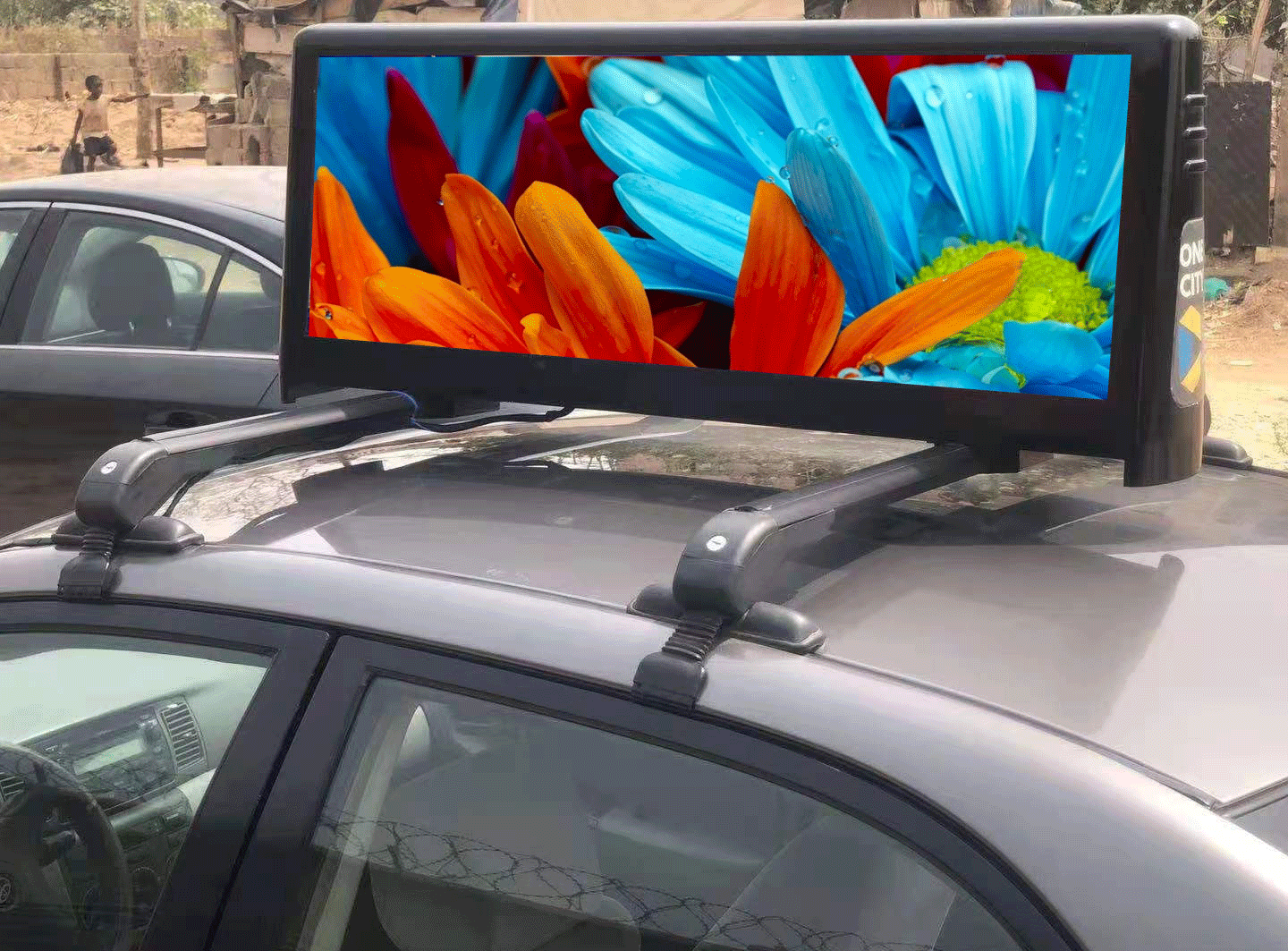
Taxi tops with LED screens are becoming major ad spots in crowded cities. With 4G technology, ads can be updated instantly while taxis drive around, letting businesses push last minute deals or event notices right into specific neighborhoods. Studies found people remember these moving ads about 2.5 times better than regular static billboards according to Urban Media Insights from last year. When there's even a slight delay in updating content, those lunch special ads for nearby restaurants just don't work as well anymore. Campaigns can lose almost half their effectiveness if the timing isn't spot on, as shown in the Mobile Ad Analytics Report released in 2024.
Key Technical Benchmarks: Latency, Uplink Speed, and Signal Resilience in Fleet Environments
Reliable real-time performance hinges on three core technical benchmarks:
| Metric | Minimum Requirement | Ideal Performance |
|---|---|---|
| Latency | < 500ms | < 200ms |
| Uplink Speed | 2 Mbps | 5+ Mbps |
| Signal Recovery Time | < 3 seconds | < 1 second |
Signal problems in cities come from all sorts of things like tall buildings, underground passages, and shiny surfaces that bounce signals around everywhere. That's why vehicles need hardware that can handle these challenges at the most basic level. Having dual SIM cards as backup and software that works across different carriers isn't just nice to have it's absolutely necessary for reliable operation. According to some recent research from last year, companies that don't have this kind of automatic signal switching face about 30 percent more downtime when traffic gets really busy. And let's not forget about power consumption either. Screens that use more than 100 watts will definitely drain batteries if a vehicle sits idle for too long, which happens quite often especially in older cars where the electrical system wasn't designed for modern tech demands.
Hardware Requirements: 4G Modules, SIM Integration, and Power Efficiency
Embedded vs. External 4G Modules in Taxi Top LED Displays
When 4G modems are built right into the taxi's LED display at the top, there are fewer things that can go wrong and power usage drops around 15 to maybe even 25 percent compared to those old external dongles hanging around. These built-in systems work really well in city traffic situations too. They pass tough tests for vibrations similar to what 5G equipment faces, plus they handle dust and water pretty darn well (IP67 rating). External dongles? Not so good. The cables get stressed out, signals tend to weaken, and whole setup becomes wobbly when taxis speed up fast or hit sudden brakes. And let's face it, 4G tech uses about 30 or 40 percent more juice than older 2G/3G stuff did back in the day. That's why these embedded models have this smart feature called dynamic voltage scaling which basically means they use less power when the network isn't busy or when showing simpler content on screen.
| Module Type | Power Draw (Avg) | Vibration Resistance | Installation Complexity |
|---|---|---|---|
| Embedded 4G Modem | 8–12W | High (IP67 rated) | Low (factory-integrated) |
| External 4G Dongle | 12–18W | Medium (IP54 rated) | High (field retrofits) |
eSIM Support and Carrier-Agnostic Firmware for Scalable Deployment
The eSIM tech takes away the need for swapping out physical SIM cards altogether, allowing carriers to provision remotely and cutting down on deployment delays for fleets by around 90%. With firmware that works across different carriers, operators can work out deals for data plans tailored to specific regions, which matters a lot when running ads in multiple cities. Pair this with good old global roaming support, and businesses get continuous connectivity as they move between cities. The smart network picking feature looks for signals stronger than -90 dBm and keeps latency below 100ms, making sure ads sync up in real time without hiccups even if one connection drops.
Cloud Management & Remote Content Control via 4G Connectivity
Cloud based systems really bring out what taxi top LED screens can do as moving billboards that react to their surroundings. Taxi companies can send out messages about special deals, urgent warnings, or road closures to all vehicles almost instantly these days instead of relying on those old fashioned SD cards which always seemed to cause problems. Advertisers love this because their targeted ads start showing up automatically whenever taxis drive into valuable areas around sports venues, downtown areas, or transportation centers right when people are walking by in big numbers. The whole thing works thanks to fast 4G connections that keep lag below 100 milliseconds, so content gets updated even while cars zoom down highways at 60 kilometers per hour. Smart caching built into the cloud system means the displays keep running whatever was loaded last if there's a brief internet hiccup, maintaining nearly perfect reliability for important announcements like missing children alerts or bus route changes. Managers get another benefit too - they can check things like screen brightness levels, internal temperatures, and signal strength from their computers, letting them fix issues before they actually mess up any ongoing ad campaigns.
Real-World Advertising Use Cases Enabled by 4G Taxi Top LED Displays
GPS-Triggered, Time-Sensitive, and Traffic-Aware Ad Scheduling
Taxi roof LED screens are no longer just plain old ads stuck there forever. With dynamic scheduling, these displays become smart marketing devices that know exactly what to show where. When cabs roll into specific areas defined by GPS boundaries, they start showing targeted content. Think coffee discounts for folks heading into offices around 8:30 in the morning, or concert info for anyone within walking distance of a venue. The system knows when to switch things up too. Lunchtime brings out food deals, while around five o'clock it's all about happy hour specials. Smart traffic systems even adjust how long ads stay visible depending on road conditions. Ads hang around longer in slow moving traffic where people actually see them, but get shortened on busy highways where nobody has time to read. All this works because of 4G networks that respond almost instantly, under 100 milliseconds according to reports. According to the Urban Mobility Ad Report from 2024, this kind of targeted approach boosts engagement rates by about 30% compared to regular static ads, meaning fewer wasted views and better results for advertisers who care about where their money goes.
FAQ
What is the main advantage of using 4G technology for taxi top LED displays?
The primary advantage of using 4G technology is its ability to update ads in real-time, allowing businesses to push timely and location-specific content, such as last-minute deals, effectively enhancing recall and engagement rates.
Why is low latency important for real-time ad updates on taxi displays?
Low latency ensures that ad content is updated swiftly, maintaining the relevance of time-sensitive promotions, which is crucial for maximizing campaign effectiveness and minimizing wasted ad spends.
How does eSIM technology benefit taxi top LED displays?
eSIM technology allows remote provisioning and eliminates the need for physical SIM card swaps, reducing deployment delays by about 90% and ensuring seamless operation across different regions and carriers.
How does GPS-triggered ad scheduling work?
GPS-triggered ad scheduling enables taxi rooftop displays to show specific ads when entering predefined geographic boundaries, allowing advertisers to target audiences with location-specific offers or information precisely.