 EN
EN
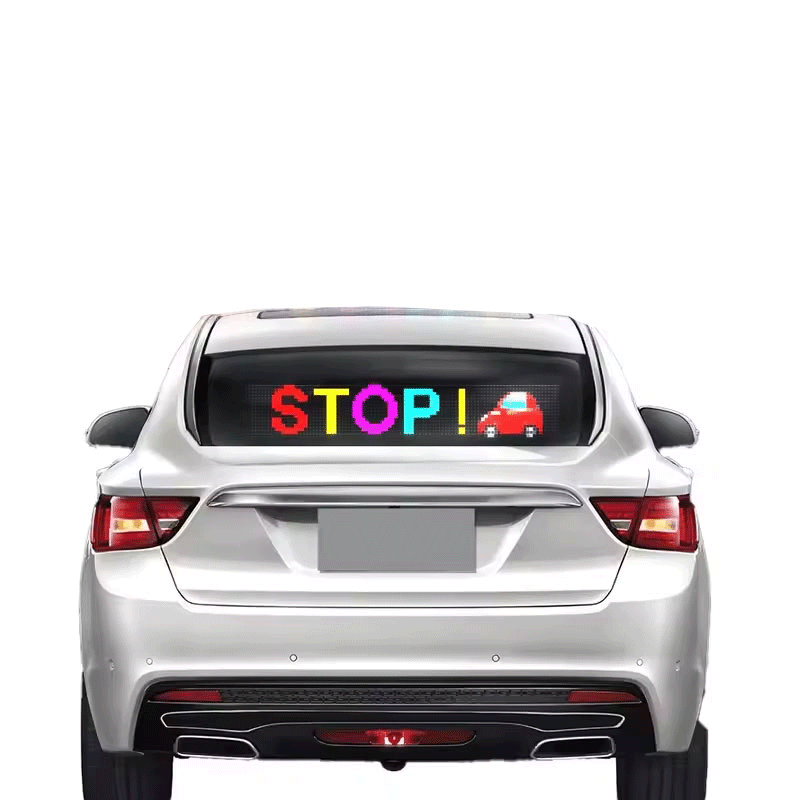
Ultra-Thin Car Window LED Display Designs
Sub-3mm Profiles and Under-200g Units: Engineering for Minimal Visual Impact
Car window LED displays are getting incredibly thin these days thanks to advances in micro-LED tech and special lightweight composites. Some models are now thinner than 3mm and weigh around 200 grams or less, which means they don't block much view from inside the car but still shine bright enough to be seen even in direct sunlight at over 5000 nits. The frames made from aerospace grade aluminum give them strength without adding unnecessary weight, plus they spread out heat so there aren't any annoying hot spots. These super light designs actually put less stress on the window mechanism itself and cut down wind resistance by about 22% when compared with older thicker models according to a report published last year called Automotive Efficiency Report 2023. What this all means is drivers can see clearly through their windows as always, the car moves better through air, and manufacturers can display messages right on the glass dynamically.
Flexible LED Film vs. Rigid Aluminum Alloy Housing: Transparency, Weight, and Mounting Compatibility
Two dominant technologies serve distinct installation requirements:
| Feature | Flexible LED Film | Rigid Aluminum Housing |
|---|---|---|
| Transparency | 70%–90% light transmission | 40%–60% light transmission |
| Weight | <100 g/m² | 200–300 g/unit |
| Mounting | Static-cling adhesive | Magnetic hooks or brackets |
| Best For | Temporary promotions | Permanent fleet use |
Flexible films stick right onto curved glass surfaces easily enough with that peel and stick method, though they just aren't built to take much punishment when it comes to impacts. On the flip side, those rigid housing units made from IP65 rated aluminum can handle all sorts of vibrations and harsh weather conditions without breaking a sweat, plus they dissipate heat way better than their flexible counterparts. When deciding which option works best, most people find themselves weighing what matters most: how long something needs to last versus how clear it should be. Films work great when frameless looks are important, like in display cases or museum exhibits. But for places where things get bumped around a lot, like airports or shopping malls, going with the sturdy metal alloy makes much more sense in the long run.
Plug-and-Play Installation Methods for Car Window LED Displays
Suction Cups, Magnetic Hooks, and Low-Profile Brackets: Speed, Stability, and Reusability
Modern car window LED displays prioritize tool-free installation with three key solutions:
- Suction cup mounts enable 30-second placement and removal, ideal for temporary promotions. Their vacuum-seal technology withstands highway speeds up to 75 mph without vibration issues.
- Magnetic hook systems attach to vehicle frames through glass, supporting displays up to 200 g with instant repositioning. Ferrite cores prevent interference with electronic systems.
- Low-profile brackets offer permanent mounting with <1 mm protrusion. Anodized aluminum clamps integrate cleanly with window seals, requiring no adhesives or drilling.
These methods reduce average setup time from 42 minutes to under 9 minutes across sedan, SUV, and fleet applications. Reusability exceeds 500 cycles for suction variants and 10,000+ for magnetic systems, eliminating single-use waste. Third-party testing confirms 99.2% vibration resistance—critical for maintaining pixel integrity during motion.
Transparent LED Display Film: The Thinnest Car Window LED Display Option
<0.8mm Thickness and 70%+ Transparency: How Advanced Film Tech Enables Seamless Integration
The latest transparent LED film takes slim profile car window displays to whole new level, with some top models coming in at less than 0.8 mm thick. That's actually thinner than what we see on most smartphones today. What makes this possible? Micro LEDs are placed on flexible PET substrates, those clear plastic sheets everyone knows from water bottles. The magic happens because of these almost invisible conductive lines running through them, letting more than 70% of light pass right through. Traditional displays block our view when turned on, but these special films let drivers still see outside while showing off colorful graphics and messages inside the vehicle.
When it comes to automotive design, engineers focus on two main things that matter most to car owners: making sure the tech doesn't stick out visually and works well with those modern curved windshields. The material is incredibly thin, measuring just fractions of a millimeter, so it sticks right onto windows without changing how the car looks or making it feel heavier. What's really impressive is how bright everything stays even when sunlight hits it head on thanks to some serious optical tuning behind the scenes. Tests have shown that installing this stuff takes about nine minutes per vehicle these days because manufacturers added ready-to-go adhesive layers and made wiring much simpler than traditional setups. That cuts down installation time by almost four fifths compared to older display systems.
Installation Performance Across Vehicle Types
Setup Time Reduction (42 – 9 Minutes) in Sedans, SUVs, and Commercial Fleets with Optimized Kits
The automotive industry has seen some impressive improvements in LED display installations for car windows. What used to take mechanics around 42 minutes per vehicle is now down to about 9 minutes thanks to these new kits with magnetic mounts and ready-made wiring setups. This speed boost works well whether installing on regular sedans where windshields don't get in the way much, taller SUVs that need extra attention to their height differences, or big commercial fleets where technicians can handle multiple units at once. These installation kits come with mounting hardware that fits most standard window sizes (covers about 95%) and color-coded wiring harnesses that stop those frustrating polarity mistakes. Many fleet operators have noticed better returns on investment because parts can be reused and techs spend less time fiddling around. Especially helpful for companies doing lots of installations, since those quick disconnect features save headaches when removing old systems without damaging the glass. Tests from actual field work show pretty consistent results too, with brightness staying within a tight range even though installations happen much faster than before.
Frequently Asked Questions
What are the benefits of ultra-thin car window LED displays?Ultra-thin car window LED displays provide minimal visual impact, clear visibility, reduced wind resistance, and dynamic message display directly on the glass.
What is the difference between flexible LED film and rigid aluminum housing?Flexible LED films are light, transparent, and ideal for temporary promotions, while rigid aluminum housings are more durable and suitable for permanent installations.
How long does it take to install these LED displays?Installation time has been reduced from 42 minutes to about 9 minutes thanks to optimized kits and easy installation methods.
Can transparent LED display films be used on all vehicle types?Yes, transparent LED display films can be used on various vehicle types like sedans, SUVs, and commercial fleets due to their flexible installation options.