 EN
EN
Modular Rental LED Display Systems for Scalable Event Deployments
Why modular design is essential for flexible, large-scale rental LED display configurations
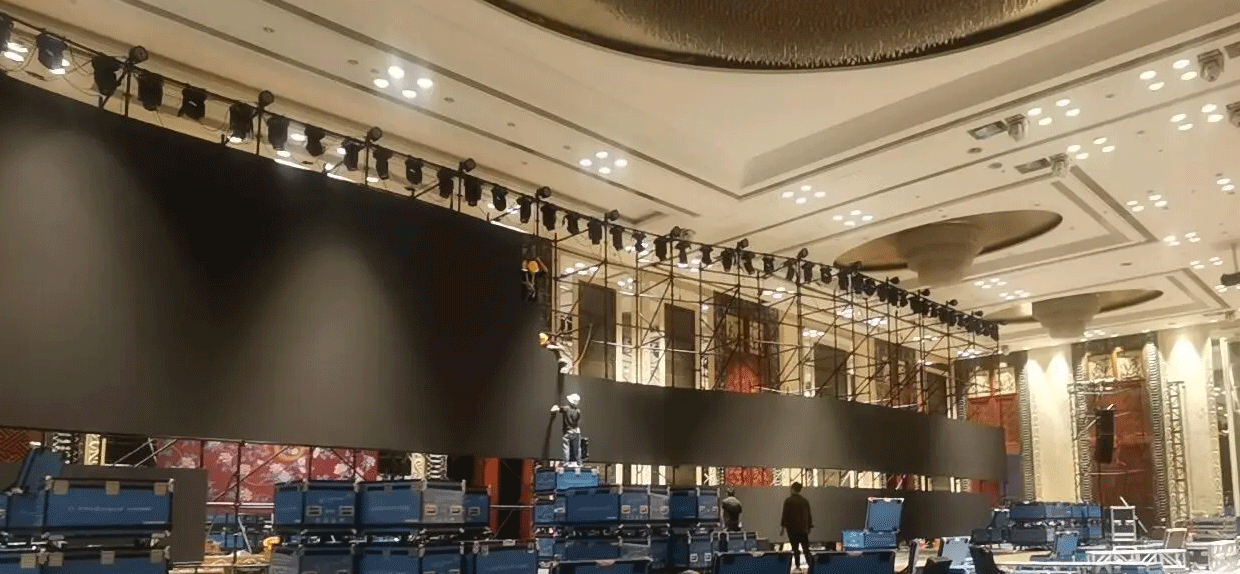
Modular setups have changed how big events get produced because they let organizers adjust rental LED displays as needed. These aren't like those permanent installations we see everywhere. Instead, they consist of light weight panels that can be swapped around depending on where the event is happening, whether it's a massive concert hall or just a smaller business presentation stage. Industry folks looking at logistics report that this kind of flexibility cuts down on storage and transportation expenses somewhere around 30% back in 2024. Plus, creative directors love having the freedom to create all sorts of shapes including curved screens, arch structures, or even full tunnel effects for immersive experiences. Another major plus point is what happens when something breaks. With modular systems, technicians can replace faulty panels within minutes without taking apart whole sections of the display setup, which means much less downtime during important live shows. The system works great for managing different quality levels too. Higher resolution modules go right where people will actually see them best, but cheaper options work fine in areas nobody really notices. This matters a lot for touring productions that move between venues. Standardized parts mean companies can share equipment between locations easily, so rental businesses make better use of their inventory while clients end up paying less overall.
How standardized pixel pitch and interlocking frames ensure rapid assembly and seamless scalability
Having consistent technical specs makes all the difference when deploying rental LED screens efficiently. When pixel pitch stays within the standard range of around P2.5 to P5.0, images stay clear and consistent even when mixing panels from different stock lots. With those new interlocking mechanisms that are still under patent review, setup crews can put together massive walls covering 100 square meters in just under two hours instead of spending six or more hours on traditional systems. The frames come equipped with magnets that have been precisely milled and connectors that slide right into place. These components align panels so accurately that gaps between them measure less than 0.1 millimeters, which means no ugly lines showing up during live events. We've run extensive tests on how these connections hold up after repeated assembly and disassembly, and they keep working well through over 200 cycles according to our latest testing in 2023. Power and data connections follow standardized designs too, complete with color coding and waterproof features that cut down wiring mistakes by roughly three quarters. Event organizers at festivals tell us they're saving about 40% on labor expenses and getting venues ready for next shows about 30% quicker thanks to this kind of engineering.
Top Rental LED Display Series: QR, QC, and QV for Indoor, Outdoor, and Hybrid Events
Technical comparison: Pixel density, brightness, and serviceability across leading rental LED display series for indoor, outdoor, and versatile applications
When setting up rental LED displays for events, planners need to consider different technical requirements depending on where they'll be installed. For indoor venues, the QR series focuses on high pixel density between P2.5 and P3.9, which makes images look sharp even when viewers are standing right next to them. These displays work well in places with controlled lighting since they have moderate brightness levels ranging from 800 to 1,200 nits. Outdoor installations call for something different entirely. The QC series can handle over 5,000 nits of brightness, making it possible to see content clearly even under bright sunlight. They use larger pixels (P4-P6) because people tend to watch from further away outside. Then there's the QV series that works great in those tricky spaces between indoors and outdoors. It adjusts brightness from 2,500 to 5,000 nits and has pixel sizes around P3.9 to P4.8. Maintenance options differ too. QR models let technicians access components from both front and back sides. QC units come with weather resistant locking mechanisms so repairs can happen quickly during events. And QV panels weigh less than 30kg per square meter, meaning modules can be swapped out fast without heavy lifting. All these differences mean event professionals can pick the right display solution based on whether they're setting things up in a convention center or staging a music festival in a park.
Key Technical Comparison
| Specification | QR Series (Indoor) | QC Series (Outdoor) | QV Series (Hybrid) |
|---|---|---|---|
| Pixel Density | High (P2.5–P3.9) | Medium (P4–P6) | Adaptive (P3.9–P4.8) |
| Brightness Range | 800–1,200 nits | 5,000+ nits | 2,500–5,000 nits |
| Serviceability | Front/rear access | Weatherproof modules | Lightweight swaps |
Logistics & Operational Efficiency in Bulk Rental LED Display Deployment
Trailer-integrated mobile LED solutions: Cutting setup time and labor costs for multi-venue events
Top companies in the industry are combining rental LED screens with custom built trailers these days, which makes it much easier to move equipment between different locations quickly. With these new systems, there's no need to handle each panel manually anymore. Setup times have dropped dramatically, maybe around 70% faster than old school methods according to some estimates. Less manpower needed means lower expenses overall, something that matters a lot during big events or when shows tour from city to city every day. Plus, the sturdy construction of these trailers protects against damage during transit so the displays keep working properly wherever they go, whether it's an outdoor festival or indoor concert hall.
Nationwide inventory distribution and just-in-time logistics for reliable large-scale rental LED display delivery
Having warehouses strategically located near where events happen makes it much easier to deliver those big LED display rentals on time. Most providers keep their inventory within about 200 miles radius of places like convention centers and stadiums, which means they can get gear out the door fast when something comes up last minute. Companies are now syncing their shipping schedules with how long it takes to make displays using various software platforms. This helps them save money by not buying too much extra stuff while still hitting around 98 percent of all delivery deadlines. The whole system works pretty well actually, cutting down on storage costs and making sure technicians show up with everything they need right at the moment it matters most.
Total Cost of Ownership and Strategic Partner Selection for Rental LED Displays
Figuring out what rental LED displays really cost involves looking at more than just what shows up on the invoice. Daily rentals typically fall somewhere between $3,500 and around $10,000 depending on size and location, but there's a lot more to consider beyond those figures. Transportation alone can add up fast at about 60 cents per square foot per mile traveled, while maintenance costs for owned systems generally run anywhere from $500 to $1,200 annually. The folks at AVIXA have done some research showing that getting proper technical support during events makes up nearly half of all rental expenses, which means picking the right vendor isn't just nice to have—it's essential for keeping budgets under control as we head into 2024. When shopping around for providers, companies need partners who actually understand these hidden costs and can help manage them effectively throughout the entire event lifecycle.
- Technical expertise: On-site calibration and 24/7 troubleshooting
- Logistical reliability: Nationwide inventory distribution and just-in-time delivery
- Technology access: Latest high-brightness panels without capital investment
- Scalable solutions: Modular designs that adapt to venue changes
A 2024 analysis shows optimal partner selection reduces event downtime by 65% and cuts unexpected costs by 30%. Prioritizing vendors with comprehensive service packages ensures maximum ROI for temporary installations while eliminating storage, maintenance, and technology obsolescence burdens.
FAQ
What are modular rental LED display systems?
Modular rental LED display systems are setups that use lightweight panels to configure customizable display solutions for events of various scales without permanent installation.
Why is modular design important for rental LED displays?
The modular design allows for flexible installation, easy maintenance, and cost-effective logistics, making it ideal for dynamic event productions.
How do pixel pitch and interlocking frames contribute to LED display efficiency?
Consistent pixel pitch and advanced interlocking frames enable rapid assembly and ensure clear image displays, reducing setup time and associated labor costs.
What are the primary series of rental LED displays?
The main series include QR for indoor, QC for outdoor, and QV for hybrid environments, each with specifications suited to their respective conditions.
How do logistics impact the deployment of rental LED displays?
Efficient logistics, using mobile solutions and strategic inventory distribution, significantly cut setup times and costs while ensuring timely delivery for large-scale events.
Table of Contents
- Modular Rental LED Display Systems for Scalable Event Deployments
- Top Rental LED Display Series: QR, QC, and QV for Indoor, Outdoor, and Hybrid Events
- Logistics & Operational Efficiency in Bulk Rental LED Display Deployment
- Total Cost of Ownership and Strategic Partner Selection for Rental LED Displays
- FAQ