 EN
EN
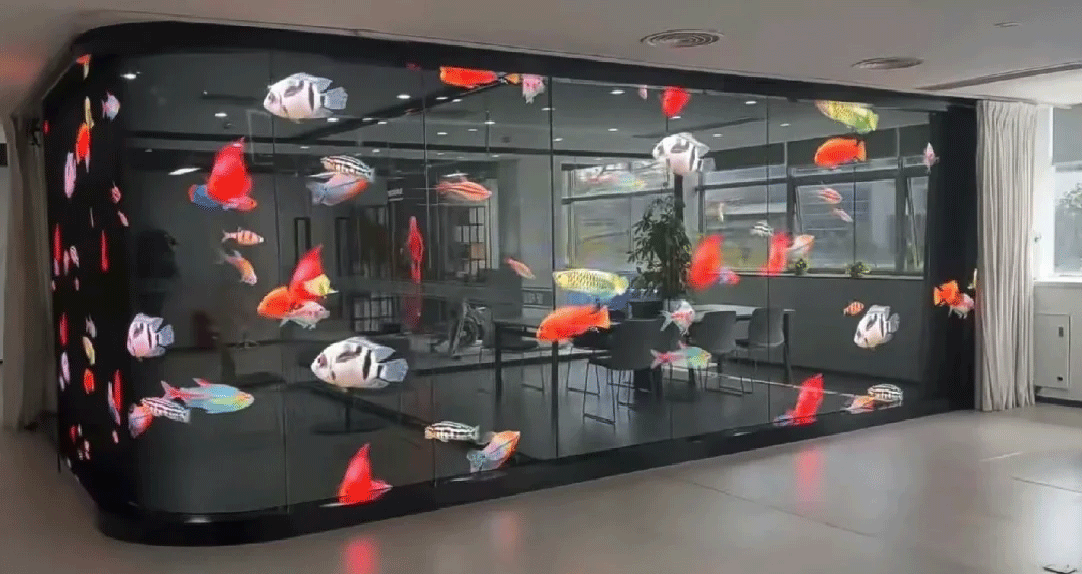
Key Performance Criteria for LED Film Screen Visibility in Retail Windows
Brightness and Sunlight Readability: Why 5,000+ Nits Matter for Daytime Impact
For LED film screens installed in retail windows, getting at least 5,000 nits is pretty much essential if they need to stand up against bright sunlight. Industry standards back this up as well. When screens fall short of that mark, ads basically disappear during those intense midday hours when most people are passing by. But hit or exceed 5,000 nits and something interesting happens: colors stay vibrant around 95% of their full potential even when the sun is blazing directly on them. This means stores can count on eye-catching displays from morning until evening without needing anyone to tweak settings manually. What makes these screens work so well? They come equipped with built-in light sensors that constantly monitor surroundings and automatically boost brightness when needed. The result? Clear messages for customers plus better power efficiency since the system only uses what's actually required at any given moment.
Viewing Angle and Transparency Balance: Optimizing Customer Engagement Without Blocking Store Views
Good quality retail LED film screens offer around 160 degrees of horizontal viewing angle, so people walking past from the side can still see the display clearly without any weird distortions. This wider angle actually makes a big difference in customer engagement, with research showing about 78% better retention compared to those narrow angle screens. Plus these screens stay pretty transparent too, letting in between 70 to 80 percent of natural light while still being visible from inside the store. The result? No more of that annoying blackout effect we get with regular opaque displays. Stores that use these kinds of screens tend to attract more foot traffic and generally look more inviting according to various market studies over the years.
Power Efficiency and Thermal Stability in Unconditioned Window Environments
PWM dimming cuts energy use by around 40% when compared to regular backlit displays while still keeping the screen brightness consistent across different lighting conditions. Thermal performance matters just as much though. Most digital signage needs to work properly from minus 20 degrees Celsius all the way up to 50 degrees, which covers pretty much every possible window environment that isn't climate controlled. Good thermal design prevents those annoying flickers and color changes when temperatures swing around. This makes a real difference in busy areas where people pass by constantly. Studies show these better designed screens maintain their messages 41% longer under extreme heat or cold conditions than standard models would.
Top Commercial-Grade LED Film Screen Models Proven in Real Retail Settings
Gauzy LC Smart Film with Integrated Micro-LED Array: Durability and Dimming Control for High-Traffic Frontages
The new display combines liquid crystal technology with micro LED arrays for solid performance even in tough city retail environments. The surface is really tough against scratches, dirt buildup, and accidental bumps which matters a lot when installed at ground level outside stores. The screen automatically adjusts brightness based on surrounding light conditions so customers can always see what's displayed clearly without wasting power all day long. When not in use, the display goes back to transparent mode without any visible lines or borders disrupting the look of the store window. Fast moving videos play smoothly thanks to its impressive refresh rate over 3800Hz. Real world tests at major retail locations show these screens keep working reliably about 98.7% of the time after running non stop for around 12 thousand hours. Plus they're super thin at just under 2.5 millimeters thick, making them easy to install on existing structures without needing expensive renovations. This cuts down on setup expenses by roughly forty percent compared to traditional displays.
Samsung Transparent LED Film TLF-2200X: Verified Performance Data from North American & EU Retail Deployments
The TLF-2200X has been rolled out at 47 locations throughout Milan, Berlin, and Toronto, showing solid business results. The display keeps over seventy percent of what's inside visible, all while showing sharp 4K promotional videos that help stores with both their marketing goals and product showcases. What makes this device stand out is how well it handles different temperatures, working reliably from minus twenty degrees Celsius up to fifty degrees, so images don't get messed up when installed in regular store windows without climate control. Looking at energy usage, these screens cut power consumption by around thirty five percent compared to older backlit models. Retailers have noticed customers spending about twenty two percent more time looking at products displayed on them, plus there's been an eighteen percent boost in people walking into stores spontaneously. And because of its modular build, installation goes much quicker too, especially when dealing with curved glass storefronts. This speed advantage means businesses in crowded city centers can get their new displays up and running far faster than what's typical in the industry.
Practical Installation Considerations for Brick-and-Mortar Retailers
Retrofitting Existing Windows vs. New Construction Integration: Timeline, Permitting, and Structural Support Requirements
Most window retrofit projects with LED film screens take around 2 to 4 weeks total when factoring in the structural checks and actual installation work. This is way quicker compared to starting fresh with new construction, which generally drags on for about 8 to 12 weeks because of all the framing work, electrical hookups, and getting architects involved. The permitting process shows similar differences too. Retrofit jobs mostly just need some electrical work done (usually 1 to 3 permits maximum), but brand new buildings have to go through complete architectural reviews that can involve 5 permits or more. About 38 percent of older window frames actually need extra support since these modern LED screens put pressure on them ranging between 15 and 25 kg per square meter according to recent safety assessments from 2023. When building something from scratch, it makes sense to install those steel support beams right into the framing at the start to avoid expensive fixes down the road. And whether working on old or new structures, everyone needs to leave at least 3 mm expansion space between components to stop things from warping as temperatures change throughout the seasons.
Key considerations:
- Retrofit priority: Load-bearing certification before adhesive application
- New build advantage: Pre-wired conduits simplify power routing and reduce labor time
- Universal requirement: UL 48-compliant moisture barriers behind panels to ensure long-term durability
Always verify local zoning ordinances—coastal cities like Miami enforce wind-load standards up to 30% stricter than inland regions, directly impacting mounting specifications.
Measuring ROI: How LED Film Screen Investment Drives Foot Traffic and Conversion in High-Density Zones
Case Study: Foot Traffic Lift and Dwell Time Increase in Tokyo's Shibuya Scramble (2023–2024)
The Shibuya Scramble in Tokyo is known as one of the busiest shopping areas on the planet. Stores there that installed these new LED film screens from 2023 to mid 2024 saw about 30% more people walking past their windows compared to shops next door still using old fashioned static signs or regular digital displays. What really caught attention was how long customers actually stopped to look. Dwell times went up around 40% because shoppers found themselves drawn in by the changing content and interactive features built into the screens. Naturally enough, this extra time spent looking at products led to better sales results too, with featured items converting at rates 22% higher than before. Most shop owners pointed to several key advantages of these screens. They stay bright even under harsh sunlight while keeping the glass clear so passersby can still see inside the store. Plus they work reliably most of the time, staying operational over 98% of the day despite the constant crowds and temperature swings typical in Tokyo throughout the year.
FAQ
What are the recommended nits for LED film screens in retail windows?
It is recommended to have LED film screens with at least 5,000 nits for clear visibility in bright sunlight conditions.
How do viewing angles affect customer engagement with LED screens?
Wider viewing angles, such as 160 degrees, enhance customer engagement by allowing visibility from various angles without distortions and increase retention by about 78% compared to narrow angle screens.
What are the power efficiency advantages of LED film screens?
LED film screens with PWM dimming can reduce energy usage by up to 40% compared to regular backlit displays, providing consistent brightness across varying lighting conditions.
How do LED screens handle temperature variations?
Well-designed LED screens can operate in temperatures ranging from minus 20 to 50 degrees Celsius, ensuring stable performance in unconditioned window environments.
What is the typical installation timeline for retrofitting LED screens in existing windows?
Retrofitting LED screens in existing windows typically takes 2 to 4 weeks, which is much faster than new construction installations that take about 8 to 12 weeks.
Table of Contents
- Key Performance Criteria for LED Film Screen Visibility in Retail Windows
- Top Commercial-Grade LED Film Screen Models Proven in Real Retail Settings
- Practical Installation Considerations for Brick-and-Mortar Retailers
- Measuring ROI: How LED Film Screen Investment Drives Foot Traffic and Conversion in High-Density Zones
-
FAQ
- What are the recommended nits for LED film screens in retail windows?
- How do viewing angles affect customer engagement with LED screens?
- What are the power efficiency advantages of LED film screens?
- How do LED screens handle temperature variations?
- What is the typical installation timeline for retrofitting LED screens in existing windows?